
Blog

BS3621 Locks and Home Insurance Explained

A lock can look secure, work perfectly and still fall short of the condition written in your insurance policy. That is why BS3621 locks home insurance questions are worth sorting out before a burglary, attempted break-in or renewal query puts you under pressure. The right answer depends on your door type, the lock already fitted and, above all, the exact wording from your insurer.

For homeowners, landlords and tenants across Mansfield and North Nottinghamshire, this is usually not about fitting the most expensive lock available. It is about making sure the security on the property is suitable, properly fitted and easy to prove if an insurer asks.

What is a BS3621 lock?

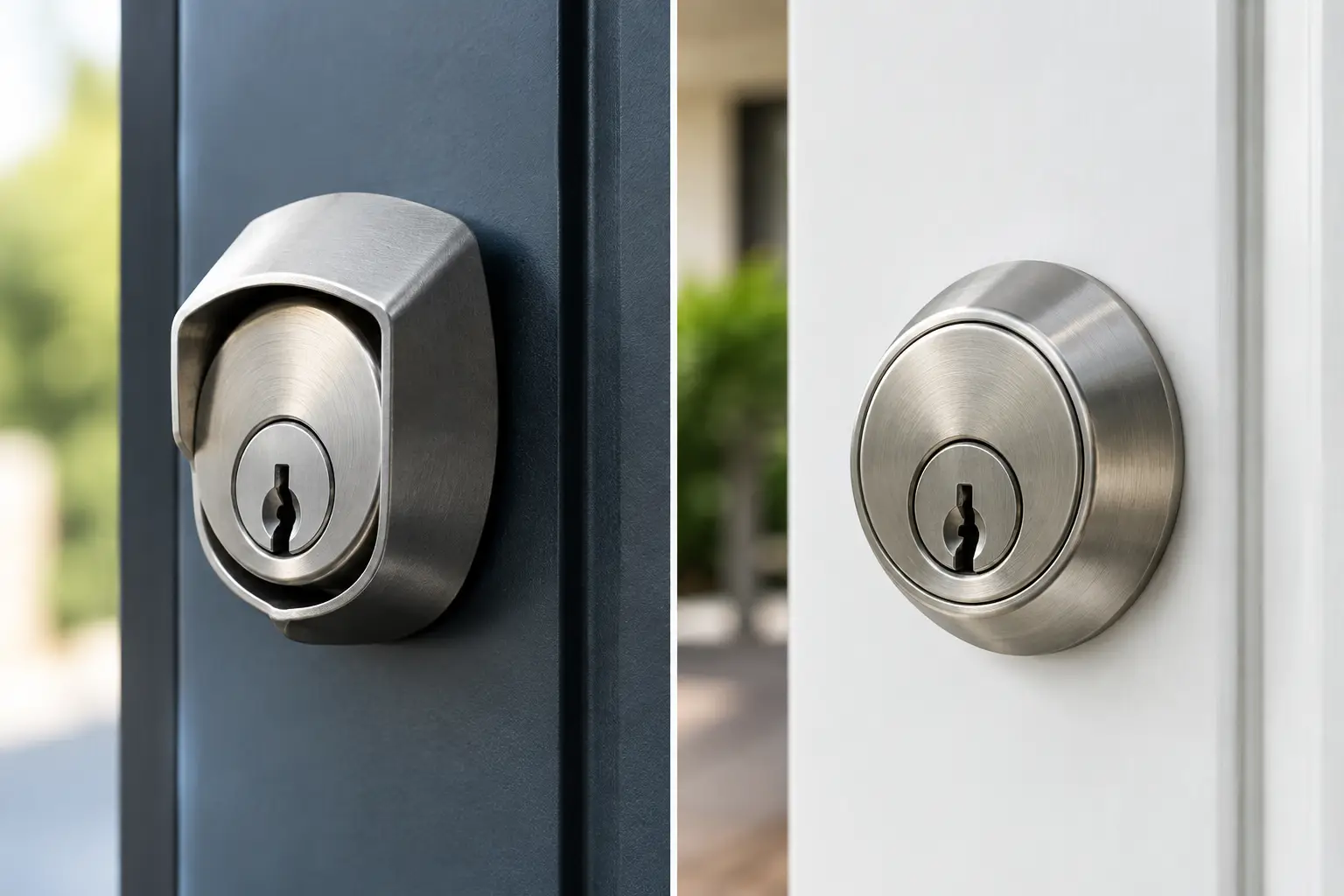
BS3621 is a British Standard for thief-resistant locks. You will most often see it on a five-lever mortice deadlock, mortice sashlock or rim nightlatch used on timber doors. A lock meeting the standard should display the British Standard kite mark and the BS3621 number on the faceplate or case.

These locks are designed to offer a stronger level of resistance against common forced-entry methods than a basic lock. In practical terms, they are often used where a property needs a key-operated deadlock rather than a simple latch that can be opened from inside without a key.

A mortice deadlock is fitted inside the door itself and is commonly operated by a long key. A sashlock combines a latch and deadbolt in one lock case, allowing the door to close normally while still giving the option to deadlock it. A BS3621 rim nightlatch sits on the inside face of the door and is often found alongside another lock on older timber front doors.

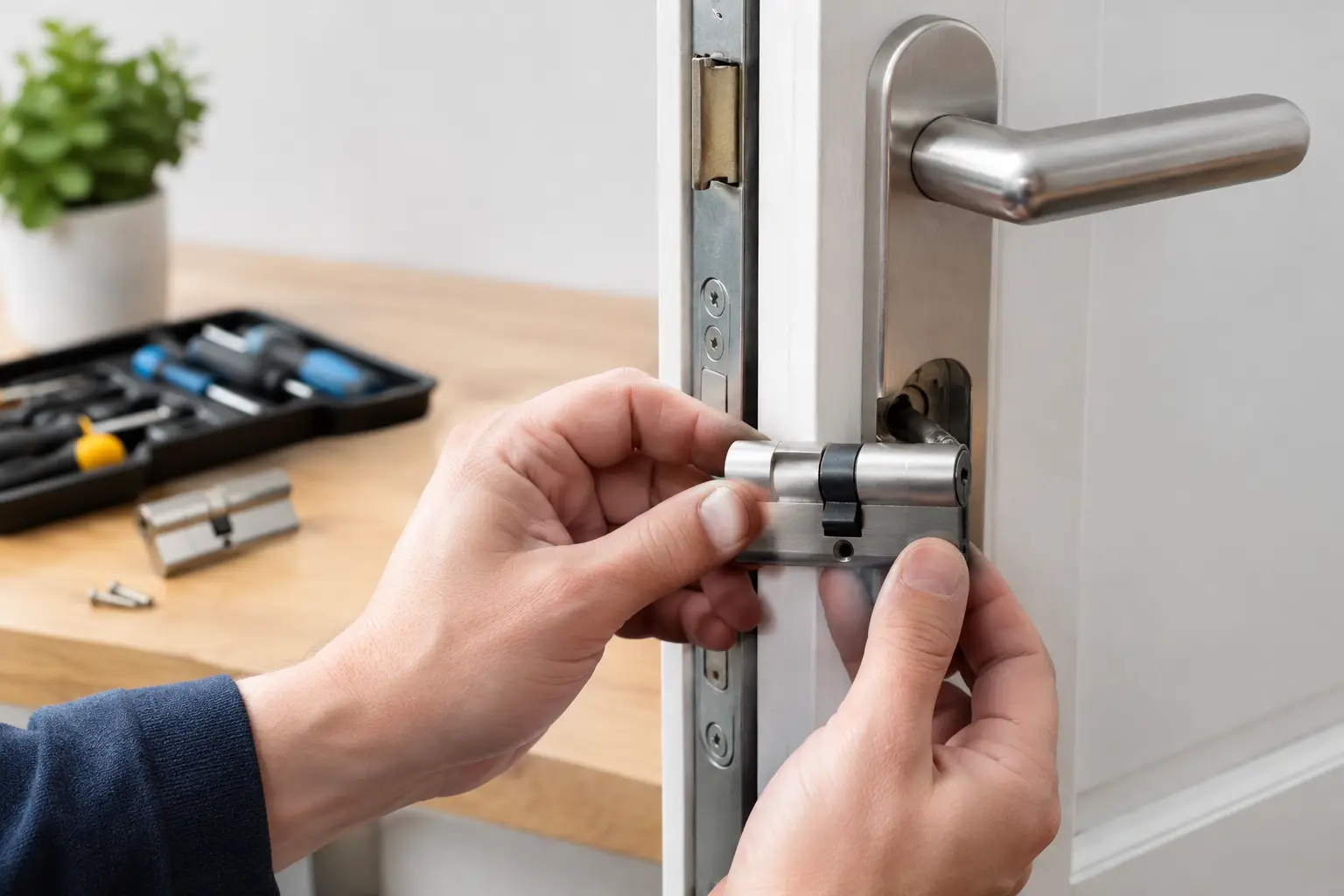
The standard does not mean every door needs the same lock. A uPVC, composite or aluminium door normally uses a multipoint locking mechanism with a euro cylinder, so a traditional BS3621 mortice lock may not be appropriate or even possible.

Do BS3621 locks affect home insurance?

They can. Some insurers specify BS3621 locks for external timber doors, particularly where the door has a mortice lock. Others ask for a minimum number of locking points, key-operated locks on accessible doors, or locks that meet a recognised British Standard.

What matters is the policy wording you agreed to. Never assume that a BS3621 lock is automatically required simply because a neighbour has one, or that fitting one guarantees a claim will be accepted. Insurance providers consider the circumstances of a claim, the security declaration made when the policy was arranged and whether the property was secured as required.

If your paperwork says external doors must have a BS3621 five-lever mortice deadlock, and the door has only a basic three-lever lock, that is a sensible issue to put right. Equally, if your front door has a modern multipoint system, ask the insurer what standard they require for that type of door rather than trying to apply timber-door advice to a different setup.

Check the policy before changing anything

Look for sections headed security, minimum security requirements, endorsements or conditions. You may see references to five-lever mortice locks, BS3621, key-operated locks, window locks or limits on cover when a property is unoccupied.

If the wording is unclear, call the insurer and ask a direct question: what locking standard is required for each external door at this address? Keep a note of the date, the person you spoke to and their answer. This is particularly useful after buying a house, becoming a landlord or changing insurer.

BS3621 is not the answer for every door

This is where homeowners can spend money unnecessarily. A BS3621 lock is a recognised solution for many wooden doors, but it is not a universal upgrade.

On a uPVC or composite door, the key area is often the cylinder. Older standard euro cylinders can be vulnerable to snapping, especially if they project too far from the handle. A correctly sized, quality anti-snap cylinder and suitable security furniture can provide a more relevant upgrade. Products are commonly assessed under TS007 ratings, which are different from BS3621.

The door frame, hinges, keeps and alignment also matter. A strong lock in a loose frame or a door that does not engage its multipoint mechanism properly is not giving the protection it should. Forcing a door shut without lifting the handle can leave some multipoint doors secured only by the latch, even though the key turns in the cylinder.

For a timber door, the condition of the frame and strike plate deserves the same attention. Long, secure fixings and a solid keep help the lock resist force. A locksmith can inspect the whole arrangement rather than replacing one part and hoping for the best.

How to tell if you already have a BS3621 lock

Open the door and inspect the metal faceplate along the locking edge. On a mortice lock, the British Standard kite mark and BS3621 marking are often stamped there. You may also find the marking on the lock case, although that can require the handles or escutcheons to be removed to see it properly.

Do not judge the standard by the number of levers alone. A five-lever lock is not necessarily BS3621 compliant. The kite mark and standard reference are the reliable signs.

If the lock has been painted over, is damaged, has no visible marking or you are unsure whether it is a three-lever or five-lever model, get it checked. Guessing on an insurance declaration is not worth the risk. A qualified locksmith can identify the lock, assess its condition and explain whether a like-for-like replacement or a security upgrade is the better option.

When a lock replacement is urgent

Some situations should not wait for an insurance renewal. Call for prompt help if keys have been stolen, a lock has been forced during an attempted burglary, the key turns without operating the lock, or the door will not lock securely.

A snapped cylinder, loose handles or a mortice lock that will not throw its bolt can also leave the property exposed. Avoid repeatedly forcing the key, as this can turn a repairable problem into a failed lockout. If the door is already open, keep it shut and secure while arranging help; if it cannot be secured, treat it as an urgent security issue.

First Class Locksmiths can assess domestic locks on site, including burglary damage, failed mortice locks and vulnerable cylinders. You can explain the door type and problem over the telephone, receive a clear quote and have the work completed at your home where possible, without a call-out charge or added VAT.

Keep evidence of the upgrade

After fitting or replacing a lock, retain the invoice and any product details that identify the standard. A clear photograph of the kite mark, lock faceplate and completed installation can also be useful for your own records.

This is especially worthwhile for landlords, or where several doors have been upgraded after a move or break-in. If an insurer asks about the security later, you have evidence of what was fitted and when. Do not alter your insurance details unless the insurer asks you to, but do tell them about a security upgrade if it is relevant to the cover or discount offered.

A practical security check for your home

Walk around the property and check every accessible external door, including side, rear, garage-to-house and patio doors. Make sure keys have not been left in locks near glazing or a letterbox, windows close and lock properly, and no spare key is hidden in an obvious place.

Then check how each door is actually used. A well-rated lock only helps when it is fully engaged. Lift the handle on multipoint doors before turning the key, throw the deadbolt on timber doors when leaving the house, and do not rely on a latch overnight or when the property is empty.

If you are unsure whether your locks meet your insurer’s requirements, get the wording checked first and have the doors assessed properly. A straightforward local inspection can prevent a rushed decision later, and give you confidence that your home is secured for the way you live in it.

Repair uPVC Door Lock Mansfield Quickly

A uPVC door that will not lock properly is more than an inconvenience. If you need to repair uPVC door lock Mansfield residents can rely on local help to deal with a key that will not turn, a handle that has gone floppy or a door that has suddenly jammed shut. These faults can leave your home unsecured, trap you outside or make it impossible to leave safely – especially when the problem happens late at night.

The right response depends on what has failed. Sometimes the issue is simple door alignment. In other cases, the gearbox, multipoint locking strip or cylinder has worn out and needs professional attention. A qualified locksmith can identify the fault on site, explain the options clearly and carry out the repair without unnecessary damage to the door.

When does a uPVC door lock need repairing?

Most uPVC doors use a multipoint locking system. When you lift the handle, hooks, rollers or bolts engage at several points along the edge of the door. The key then locks the cylinder, preventing the handle from being pushed back down.

That means one fault can show up in several ways. You may find that the handle needs lifting unusually hard, the key turns but nothing locks, or the key will not turn once the handle is raised. A loose handle, grinding noise or stiff mechanism should not be ignored either. Continuing to force it can damage parts that might otherwise have been repaired.

A door that locks only when you pull or push it into position often has an alignment problem. Temperature changes, worn hinges and everyday movement can cause the door and frame to sit slightly out of line. The locking points then miss their keeps, putting strain on the mechanism.

If the handle will not lift at all, or it lifts but drops back without locking, the internal gearbox or multipoint mechanism may have failed. This is common on older doors and can happen without warning. It is not usually a job for a screwdriver and guesswork. The wrong repair can leave a customer with a damaged strip, broken handles and a bigger bill.

Repair uPVC door lock Mansfield – what a locksmith checks

A proper inspection starts with the condition of the door, handles, cylinder and keeps in the frame. The locksmith will check whether the door is aligned, whether the handle spindle is operating correctly and whether the multipoint mechanism is engaging as it should.

Where safe to do so, the aim is to gain entry non-destructively and retain as much of the existing hardware as possible. Once the door is open, the lock case and strip can be assessed properly. A failed gearbox may be replaced, a worn handle can be changed, or the door may simply need adjustment to take pressure off the locking points.

The cylinder also matters. Standard euro cylinders can be vulnerable to snapping on some older uPVC doors. If the existing cylinder is damaged, loose or not giving the level of protection you want, fitting an anti-snap cylinder is often a sensible upgrade. For homeowners and landlords looking at insurance requirements, a British Standard TS 007 3-star cylinder or a suitable combination of cylinder and security handle can provide stronger resistance to attack.

It depends on the door and existing hardware. Not every property needs every upgrade, and a reputable local locksmith should recommend what is appropriate rather than selling parts you do not need.

Do not force a stiff uPVC door handle

A stiff handle is often the warning before a complete lock failure. It may still be possible to lock the door today, but forcing it can snap the spindle, damage the gearbox or break the key in the cylinder.

Try these sensible checks only if the door is open and you are not putting yourself at risk. First, lift the handle gently while looking to see whether the locking points move. Then check whether the door needs to be pushed, pulled or lifted slightly before the handle operates. If it does, stop forcing it and arrange a repair.

Do not spray oil into the cylinder or mechanism in the hope that it will solve the issue. Heavy oils can attract dirt and make the fault worse. Specialist lock lubricant may help a clean, working cylinder, but it will not fix a worn gearbox, broken spring cassette or misaligned door.

If the door is shut and the handle or key has failed, do not attempt to lever it open. uPVC panels, frames and glazed units are expensive to replace. Professional non-destructive entry is usually the better route, followed by a repair that restores both operation and security.

Common uPVC door lock problems at Mansfield homes

A key that spins freely can indicate a broken cam in the cylinder or a fault inside the mechanism. A key that will not come out may mean the cylinder is under pressure because the door is out of alignment. If the key has snapped, the remaining piece needs careful extraction before the lock can be assessed.

Handles that sag or feel loose may have failed springs or worn fixings. Replacing handles can be straightforward, but matching the correct fixing centres, spindle size and door configuration is essential. Fitting unsuitable handles can prevent the multipoint lock from operating correctly.

For a lock that has failed after a break-in or attempted burglary, the priority is different. The door needs securing quickly, any damaged cylinder or handle needs replacing, and weak points should be addressed. A local locksmith can provide burglary repairs and practical advice on anti-snap protection, stronger handles and lock upgrades without leaving the property vulnerable overnight.

Repair or replace: which is the better option?

Repair is often the most cost-effective choice when the door is in good condition and the fault is limited to alignment, handles, a cylinder or a replaceable gearbox. It keeps disruption down and can return the door to reliable use during the same visit.

Replacement may be more sensible if the multipoint strip is badly corroded, obsolete parts cannot be sourced, or repeated faults point to wider door movement. A good locksmith will explain the condition of the existing lock and give a clear quotation before carrying out work. You should know whether the work involves adjustment, a replacement part, a new cylinder or a full mechanism before you agree.

For rented homes, landlords should not delay repairs where a door cannot be secured properly. Tenants need safe access and a functioning external door lock, while the property owner needs confidence that the building is protected. Keeping a record of the repair and any upgraded lock fitted is also useful for future maintenance.

Fast, local help when your door will not lock

A failed uPVC door lock can happen at the least convenient moment: when you are leaving for work, returning from the school run or trying to secure the house before bed. That is why direct, local assistance matters. Calling a locksmith who covers Mansfield and the surrounding North Nottinghamshire and Derbyshire areas means you can explain the fault to the person arranging the job, receive a telephone quote and get help at your home rather than being passed through a national call centre.

First Class Locksmiths provides mobile domestic locksmith support for lockouts, faulty uPVC door locks, snapped keys, damaged cylinders and security repairs. There is no call-out charge and no added 20% VAT, with competitive pricing explained before work begins. Where the fault can be resolved on site, the aim is to get the door working and secure again without delay.

Keeping a repaired uPVC door working properly

Once repaired, use the handle as intended: close the door fully, lift the handle smoothly and then turn the key. Avoid slamming the door or hanging heavy bags from the handle. If you notice the handle becoming stiff again, arrange an adjustment early rather than waiting for it to fail shut.

Check that the door closes cleanly through different seasons, particularly after very hot or cold weather. A small alignment adjustment at the right time can protect the gearbox and extend the life of the lock. If your door is no longer giving you confidence, get quick assistance now – a prompt repair is usually safer, simpler and less costly than waiting for a complete failure.

How to Extract a Snapped Key From a Lock

A key snapping in a lock can turn a normal school run, shift change or trip home into an immediate problem. Whether you need to extract snapped key from lock at your front door, van, car or garage, the first few minutes matter. The wrong tool, too much force or a quick-fix video can push the broken piece deeper and turn a straightforward extraction into a damaged lock or ignition replacement.

Take a breath, stop turning the key and keep the lock as it is. A qualified local locksmith can usually assess the situation, give a clear telephone quote and attend with the right extraction equipment to resolve it on site.

What to do when a key snaps

First, check whether any part of the key is visible outside the keyway. If the broken end is clearly protruding and the key has not been twisted hard, it may be possible to pull it out gently with fine-nosed pliers. Pull straight out without rocking, twisting or squeezing so tightly that the metal fragment breaks again.

If the key is flush with the lock, or you can only see it deep inside the barrel, stop there. Do not put another key in behind it. Do not use a screwdriver, hair grip, paperclip or knife. These items can damage the pins inside a door cylinder or the delicate wafers in a vehicle ignition.

If you are outside your home, make sure the property is secure while you arrange help. If a child, vulnerable person or pet is inside, or there is an immediate safety concern, say so when you call. For a vehicle stopped in an unsafe location, move yourself and any passengers away from traffic where possible and use hazard lights.

Avoid glue and makeshift extraction tools

Superglue is one of the most common ways a snapped-key job becomes more complicated. Glue can run into the mechanism and bond the moving internal parts together. Even if it grips the broken blade, it may pull out without the fragment or leave residue that prevents the lock from working properly afterwards.

Magnets are rarely effective either. Most keys are not magnetic enough for a small household magnet to overcome the friction inside a lock. DIY key extractors are available, but they need to be used with a clear understanding of the lock type and the key position. A poorly placed extractor can wedge the fragment more firmly in place.

A small amount of proper lock lubricant can sometimes help a key that is already loose, but it is not a cure for a jammed broken blade. Avoid oil-based sprays. They attract dirt over time and can cause further problems in locks and ignition barrels.

How a locksmith extracts a snapped key from a lock

A professional extraction starts with identifying what has failed. The key may have snapped because it was worn, bent or copied from a poor original. Equally, the lock itself may be stiff, damaged or at the end of its working life. Removing the key without checking the cause can leave you with the same problem again later that day.

The locksmith will position the lock where possible and use specialist picks and extraction tools designed to grip the broken blade without harming the internal mechanism. On a domestic door, the aim is normally non-destructive entry and a working lock once the fragment is removed. If the cylinder has failed or the key snapped during a break-in attempt, replacement may be the safer option.

For cars, vans and motorcycles, the approach depends on whether the key has snapped in a door lock, boot lock, ignition or fuel cap. Ignitions need particular care. Modern vehicle keys and barrels work alongside transponders, immobilisers and electronic steering-lock systems. Forcing the ignition can damage far more than the metal keyway and may leave the vehicle unable to start even after the piece has been removed.

An auto locksmith can extract the blade, inspect the ignition or lock barrel, and where needed cut a replacement key and programme the transponder on site. That can often avoid the delay and higher cost of arranging recovery and waiting for a main dealer.

The lock may need more than extraction

A snapped key does not always mean the key was the only fault. A front-door cylinder that catches, needs lifting to turn or has become difficult in cold weather may be worn internally. In that case, extraction alone gives only temporary relief.

A local locksmith can advise whether a repair is sensible or whether replacement is better value. For many homes, this is also the right time to consider a suitable anti-snap cylinder. Where insurance requirements apply, a British Standard lock such as one meeting BS3621 may be appropriate, depending on the door and existing hardware. The right recommendation depends on your property, not a one-size-fits-all sales pitch.

Home, vehicle and garage locks need different care

The location of the snapped key changes what you should do next. A key broken in a standard house-door cylinder is different from one broken in a composite-door multipoint lock, a UPVC window handle or a car ignition.

On a multipoint door, avoid lifting or forcing the handle after the key breaks. Pressure on the hooks, rollers or bolts can load the cylinder and make extraction harder. If the door is open, leave it open only if you can do so safely and securely. If it is shut and locked, do not force the handle or try to remove the cylinder yourself from outside.

For a vehicle, resist the temptation to turn the remaining part with pliers. Even a key that appears to be only metal often contains a programmed transponder in the head. If the blade has separated, you may still need a correctly cut and programmed replacement to start the vehicle. Keep every piece of the original key, including the plastic head, and give it to the locksmith when they arrive.

Garage, shed and gate locks can be affected by rain, dirt and corrosion. These locks sometimes seize around the key before it breaks. An extraction may be possible, but a weather-damaged padlock or rim cylinder is usually worth replacing rather than relying on again.

When to call for urgent local help

Call a locksmith straight away if the broken key is flush in the lock, the door is locked, the ignition will not turn, or the lock was already stiff before the key snapped. Urgent help is also sensible after attempted burglary, where damage may not be limited to the key or cylinder.

When you call, explain whether it is a house, flat, car, van, motorcycle, garage or business premises. Say whether the key has broken in the door lock or ignition, whether you are locked out, and whether a section of the key is visible. Providing the make, model and year of a vehicle can help an auto locksmith arrive prepared for the likely key and programming requirements.

You should receive a clear quotation before work begins. Ask what is included, whether a replacement key or lock may be needed, and whether there are call-out or VAT charges. First Class Locksmiths provides direct access to qualified, DBS-checked and insured local locksmiths across Mansfield, North Nottinghamshire and nearby Derbyshire, with no call-out fee and no added 20% VAT.

Prevent another snapped key

Once the immediate problem is resolved, do not keep using a spare that is bent, badly worn or copied from a worn original. A fresh key cut accurately from the correct information is less likely to bind in the lock. If a key regularly needs jiggling, do not accept that as normal. Have the lock or ignition inspected before it fails at the least convenient moment.

Keep heavier keyrings away from vehicle ignitions, especially on older vehicles where the added weight can wear the barrel. At home, use the key gently and avoid pulling the door against a latch or multipoint mechanism while turning it. These simple habits reduce strain on both the key and the lock.

A snapped key is stressful, but it does not have to become a damaged door, a stranded vehicle or an expensive replacement. Get quick assistance from a local locksmith, protect the lock from further damage and let the right person remove the fragment safely.

Should You Change Locks After Moving House?

The removal van has gone, the boxes are stacked and the keys are in your hand. But who else has copies? When you change locks after moving house, you take control of who can enter your new home from the first day. It is one of the simplest security jobs to arrange, yet it is often missed while buyers focus on utilities, furniture and unpacking.

A previous owner may have given keys to relatives, neighbours, cleaners, dog walkers, builders or a letting agent years ago. They may not know where every copy ended up either. Even if they hand over a neat bunch of keys on completion day, that does not guarantee those are the only keys that exist.

For homeowners across Mansfield, Shirebrook, Sutton-in-Ashfield, Warsop, Chesterfield, Alfreton and Bolsover, changing or rekeying locks is a practical first step towards making a property properly yours.

Should You Change Locks After Moving House?

In most cases, yes. If you have just bought a house, bungalow or flat, changing the external door locks is sensible as soon as possible. It removes uncertainty rather than asking you to trust a key history you cannot verify.

This does not always mean replacing every lock on every door. A qualified locksmith can inspect what is fitted, identify which locks protect entry points and advise whether a cylinder change, a rekey or a full lock replacement is the right answer. The best option depends on the age of the doors, the lock type, the condition of the existing hardware and the level of security you need.

If the home has been empty for a while, has recently been rented out, or the keys were handed over through several parties, there is even more reason to act quickly. The same applies where keys have been lost during the move, a key is already damaged, or the front door lock looks worn or difficult to operate.

Start With the Doors That Give Access to Your Home

Not every door needs the same work, but every entrance needs consideration. Begin with the front door, back door, side entrance, garage access door and any door linking an attached garage or conservatory to the house. Do not overlook patio and French doors. These often use euro cylinders within multi-point locking systems and can be a weak point if an older cylinder is fitted.

A local locksmith can check whether your locks are suited to the door and whether they meet the security requirements likely to matter to your insurer. On many wooden doors, a BS3621-rated mortice deadlock is a common standard. On uPVC and composite doors, an anti-snap cylinder can provide better resistance against a known method of forced entry.

It is not about fitting the most expensive lock to every opening. A solid external timber door may need a different solution from a modern composite front door, while a shared communal entrance in a block of flats may be managed by a freeholder. The aim is to deal with the locks you control and make sure they work properly.

Do not ignore windows and outbuildings

A lock change is a good moment to assess the rest of the property. Check that accessible windows lock, that keys are not left in reach of a letterbox or open window, and that shed or garage tools cannot be used against the home. Window handles, patio-door mechanisms and garage locks can often be repaired or upgraded where needed.

If the property has a separate garage, workshop or garden office containing expensive tools, bikes or vehicles, its security deserves more than an old padlock and a crossed-fingers approach.

Change the Lock, Rekey It or Repair It?

These terms are often used interchangeably, but they are not the same thing.

Changing a lock usually means replacing the cylinder, mortice lock or complete mechanism so existing keys no longer work. This is often the straightforward choice after a purchase, especially where a lock is old, damaged or not at the right security standard.

Rekeying means altering the internal pins of a compatible lock so it works with a newly cut key. It can be cost-effective where the lock is good quality and in sound condition. However, not all domestic locks can be rekeyed on site, and replacing a euro cylinder is often the more practical route.

A repair may be enough if the key control is not the issue. For example, a stiff uPVC door might be caused by alignment problems, a worn gearbox or a failing multi-point mechanism rather than the cylinder itself. Replacing only the cylinder would not cure that fault. A proper inspection avoids paying for the wrong work and helps prevent a lockout later.

Signs Your New Home Needs Urgent Attention

You do not need to wait for a convenient weekend if something feels wrong with the lock. Call for help promptly if the door will not lock securely, the key turns without operating the bolt, the cylinder is loose, or there are visible signs of attempted forced entry.

Other warning signs include a snapped key, a lock that sticks badly, missing keys, a door that has to be lifted or pushed hard to lock, and a letterbox that gives easy access to keys or thumbturns inside. These are not small moving-house niggles. They can leave the property insecure or turn into an emergency at the end of a long day.

Where possible, avoid forcing the key. A key that bends or feels rough may break in the lock, leaving you with a more urgent problem. A locksmith can use non-destructive methods where appropriate, repair the fault and complete the job at your property.

What About Tenants, Landlords and Flats?

The answer depends on your tenancy agreement and who is responsible for the lock. Tenants should speak to their landlord or letting agent before changing locks, unless there is an immediate security emergency. You may be allowed to change a cylinder as long as the original is reinstated at the end of the tenancy, but do not assume this without checking.

Landlords should arrange a lock change or rekey between tenancies whenever key control is uncertain. It is a sensible way to protect incoming tenants and demonstrate that property security has been taken seriously.

For flats, you will normally be responsible for your own front-door lock but not communal entrance doors, gates or shared security systems. If your flat door uses a restricted or master-keyed system, ask for advice before replacing anything. The wrong cylinder can affect compatibility or breach building rules.

Choosing Locks That Make Sense for Your Property

Security upgrades should be matched to the property rather than chosen from a one-size-fits-all list. A professional will look at the door material, frame condition, locking points, cylinder type and how the door is used day to day.

For a family home with a uPVC or composite door, an anti-snap cylinder is often a worthwhile upgrade, particularly if the existing cylinder protrudes from the handle or appears dated. For a timber front door, a BS3621 mortice lock may be appropriate alongside a suitable night latch. Some insurers specify minimum lock standards, so it is worth checking your policy rather than guessing.

Convenience matters too. If several adults need access, consider how many keys are required and who will hold them. Give spare keys only to people you trust, and avoid hiding one under a plant pot, doormat or loose brick. Those places are the first ones an opportunist will check.

Get It Done Before the House Feels Settled

The ideal time to arrange a lock change is on completion day or during your first few days in the property. That is when access is easiest, your concerns are fresh and you are less likely to put it off. If you cannot be there during the day, a mobile locksmith can attend at an agreed time and carry out the work on site.

First Class Locksmiths provides direct access to qualified, DBS-checked local locksmiths, not a national call centre. Explain the doors and locks involved, receive a clear telephone quote and get practical advice before work begins. There is no call-out charge and no added 20% VAT, helping you make a security decision without unwanted surprises.

A new address becomes home gradually, but control over the keys should happen straight away. If you are unsure who may still have access, get quick assistance now and make your first night in the property a more secure one.

Non Destructive Door Opening in Mansfield

A locked door can turn a normal morning, school run or return from work into a real problem within minutes. If your keys are inside, a key has snapped, or the lock simply will not turn, non-destructive door opening Mansfield services are designed to get you back into your property without creating avoidable damage to the door, frame or lock.

For homeowners, tenants, landlords and flat residents, the priority is usually simple: get safe access quickly, keep costs clear and avoid turning a lockout into an expensive repair. A qualified local locksmith should assess the door first, explain the likely method and give a telephone quote before attending. That matters, particularly when you are stressed and need help fast.

What non-destructive door opening means

Non-destructive entry means using professional techniques to open a locked door while preserving the existing lock and door wherever the lock condition allows. It is not a promise that every door can be opened without replacing a part. A lock that has failed internally, been forced during an attempted break-in or has a broken key lodged deep inside may already be damaged.

The difference is in the approach. A professional locksmith does not arrive and immediately drill a lock. They identify the lock type, check whether the door is merely shut or actually locked, and use the least invasive suitable method first. In many cases, that can mean gaining entry with no new lock required at all.

This is especially useful on modern uPVC and composite doors with multipoint locking systems. These doors can be costly to repair if handled badly. Correct diagnosis protects the mechanism, keeps the door aligned and reduces the chance of further damage.

When you need non-destructive door opening in Mansfield

Lockouts do not always look the same. You may have pulled the door shut with the keys still on the kitchen table. Your key may turn but fail to retract the latch. A tenant may have lost a set of keys, or a landlord may need lawful access after a lock has failed. In each case, the best entry method depends on the door, lock and circumstances.

A local locksmith can deal with common problems including locked-out situations, snapped keys, faulty euro cylinders, jammed night latches, failed multipoint mechanisms and doors that will not unlock after the handle has lifted. First Class Locksmiths provides mobile assistance across Mansfield and surrounding North Nottinghamshire and Derbyshire areas, so the work can be completed at your home rather than leaving you to arrange a separate repair.

If there has been a burglary or attempted forced entry, the job changes slightly. Fast access is still important, but securing the property is just as urgent. A damaged cylinder, broken handle, loose keeps or split frame should be checked properly before anyone says the door is safe again.

Why avoiding damage can save more than a replacement lock

Drilling a lock may occasionally be necessary, but it should be a last resort rather than the standard response. An unnecessary drill can leave you paying for a new cylinder, labour to fit it and, in some cases, repairs to the handle, multipoint mechanism or door itself.

Non-destructive methods can also preserve your existing keys. That is helpful where several family members, tenants or carers use the same key, or where the lock is part of a suited system. Replacing a lock after a simple lockout can mean collecting and distributing new keys, which is an extra inconvenience when you are already late or worried.

There are limits, however. If a cylinder has snapped and the remaining section cannot be operated, if a key has broken inside a worn lock, or if internal components have failed, replacement may be the safest answer. A good locksmith will be candid about that rather than making unrealistic promises. The aim is never to avoid replacement at all costs – it is to avoid unnecessary damage and leave the door secure.

The right method depends on the door and lock

A timber front door with a Yale-style night latch needs a different assessment from a composite door fitted with a euro cylinder and multipoint lock. Aluminium doors, communal flat entrances and older mortice locks all have their own characteristics. The condition of the door matters too. A swollen timber door, a misaligned uPVC door or a dropped hinge can make a working lock feel like a failed one.

For uPVC, composite and many patio doors, the locksmith will look at the cylinder, handle operation, keeps and locking strip. If the mechanism is under pressure because the door has moved out of alignment, careful adjustment may be needed after access has been gained. Simply forcing the handle can damage parts that were otherwise serviceable.

For a traditional mortice lock, the locksmith may test whether the issue is the latch, the bolt or the key itself. For flat doors, it is also vital to distinguish between your own front door and a shared entrance. Access should only ever be provided where the caller has the right to enter the property.

What happens when you call for help

The fastest way to get the right assistance is to explain what has happened as clearly as you can. Tell the locksmith whether the key is lost, inside the home, snapped or refusing to turn. Mention the type of door if you know it, whether it is uPVC, composite or timber, and whether anyone vulnerable is inside.

You should then receive a clear telephone quotation based on the likely work. No call-out fee and no added 20% VAT can make a meaningful difference when comparing local help with national call-centre firms. Be cautious of vague prices that sound unusually low but do not confirm what labour, lock parts or attendance will cost.

On arrival, a DBS-checked, insured locksmith should verify that you are entitled to access the property, inspect the door and use the most appropriate entry method. If the original lock cannot be retained, they should explain why and discuss replacement choices before fitting one. In an emergency, that direct conversation gives you more control than dealing through a remote call centre.

After entry: check whether the lock is still doing its job

Getting through the door is only the first part of the visit. Once you are inside, test the key, handle and locking points again. If the lockout happened because the mechanism was stiff, the cylinder was loose or the door needed force to close, the fault may return unless it is dealt with.

Where security needs improving, anti-snap cylinders are a sensible consideration for many euro-cylinder doors. Look for products suited to the door and fitted correctly, rather than choosing on price alone. For some external wooden doors, a British Standard BS3621 mortice lock may be appropriate, particularly where insurer requirements apply. A locksmith can advise on the right option without pressuring you into upgrades that do not suit the property.

Landlords should also consider who has keys after a lost set, tenancy change or burglary. In those situations, changing or rekeying the lock is often more sensible than retaining it, even if the door was opened without damage.

Get local help without making the problem worse

Avoid forcing the handle, levering the door or trying internet tricks with cards and wire. Those attempts can injure you, damage weather seals and turn a straightforward entry job into a repair. Never leave a child, vulnerable person or pet at risk inside while looking for a cheaper option – make that clear when you call.

A locked door is frustrating, but it does not have to mean a damaged home or a surprise bill. Get quick assistance from a qualified local locksmith who will assess the problem properly, aim for non-destructive access where possible and make sure your door is secure before they leave.

Van Key Programming Mansfield for Working Vans

A van key failing at 7am can stop far more than one journey. Whether you are due on a job in Mansfield, making deliveries in Shirebrook or parked at a customer’s premises in Chesterfield, a key that will not start the engine means lost time, missed work and a great deal of pressure. Van key programming Mansfield drivers can rely on should get the problem identified quickly and, where possible, resolved at the vehicle rather than leaving you to arrange recovery and wait for a dealership appointment.

First Class Locksmiths provides mobile auto locksmith help for van owners across North Nottinghamshire and nearby Derbyshire. Call with your vehicle make, model, year and the fault you are seeing, and you can receive a clear telephone quote before work begins. There is no call-out charge and no added 20% VAT.

When does a van key need programming?

Most modern vans use an immobiliser system. Inside the key, remote fob or key card is a small transponder chip that communicates with the vehicle. The engine will only start when it recognises the correct coded signal. Cutting a new metal blade alone may open the door, but it will not normally allow the van to start.

Programming may be needed when every key has been lost, a spare key is required, the remote has failed, or a replacement key has been supplied without coding. It can also be necessary after water damage, a flat fob battery, a damaged circuit board or an attempted theft. A key can look completely intact while its transponder has stopped working.

The symptoms are not always identical. Some vans crank but do not start. Others display an immobiliser or key warning light, repeatedly ask for a key to be inserted, or simply do nothing when the start button is pressed. If the remote buttons have stopped working but the van still starts, the issue may be a remote battery, case or button repair rather than full programming. Checking the fault first helps avoid paying for work you do not need.

Van key programming in Mansfield without a dealer wait

Main dealers have specialist knowledge and access to manufacturer systems, but their route is not always practical for a working van. You may need to book ahead, take the vehicle to them and wait for a replacement key to arrive. If no key is available to start the van, getting it there can add recovery costs as well.

A mobile auto locksmith can often attend your driveway, depot, workplace or roadside with diagnostic equipment, key-cutting machinery and suitable replacement keys. The locksmith reads the vehicle’s system, prepares the correct key and programmes it to the immobiliser on site. The exact process depends on the make, model and security system, so honest advice matters. Some newer vehicles and certain dealer-only key types can involve additional lead time or a different process.

Common working vans such as Ford Transit and Transit Custom, Vauxhall Vivaro, Renault Trafic, Nissan NV300, Mercedes-Benz Sprinter, Volkswagen Transporter, Peugeot Expert, Citroën Dispatch and Fiat Ducato often have different key designs and programming requirements between model years. Providing the registration and as much vehicle information as possible when you call allows the locksmith to check the likely solution before attending.

Lost every van key? Act quickly

Losing the only van key is stressful, particularly when tools, stock or equipment are inside. Do not force a door, smash a window or try to pick the lock yourself. That can cause damage, create a security issue and turn a key problem into a costly door or window repair.

A mobile locksmith can gain entry using non-destructive methods wherever possible, establish the correct key specification and programme a replacement. You will need to show proof that you own or are authorised to use the vehicle. This is an essential safeguard, not an inconvenience.

Where keys have been stolen rather than misplaced, ask about removing the missing key from the vehicle’s memory. Depending on the van and system, it may be possible to programme new keys and erase the old one so that the stolen key will no longer start the engine. This is especially worth considering for tradespeople whose van carries valuable tools or customer equipment.

A broken key is not always a new-key job

Van keys have a hard life. They are dropped on concrete, trapped in doors, used with heavy keyrings and exposed to rain, dust and daily wear. The plastic case can split, buttons can detach and the metal blade can become worn or snap in the ignition or door lock.

If the blade has broken but the chip is undamaged, repair may be a sensible option. If the key turns but the van does not recognise it, the transponder or internal electronics may be at fault. If a key has snapped in the ignition, it needs careful extraction before assessing whether the ignition barrel has been damaged.

Trying to remove a broken blade with glue, wire or improvised tools can push it deeper into the lock. A proper extraction aims to protect the ignition or door lock and keep the repair straightforward. The best answer depends on the condition of the key, whether a spare is available and the vehicle’s security system.

What happens during a mobile van key visit?

The process is designed to keep disruption down. Start by explaining where the van is, what has happened and whether you have any working key at all. A locksmith can then discuss the likely work and give a telephone quotation based on the information available.

On arrival, the vehicle and ownership details are checked. The locksmith will diagnose whether the problem is with the key, remote, immobiliser, ignition, vehicle battery or another issue. Where key programming is the answer, a replacement key is cut or prepared, then coded to the van’s system. It is tested for starting, locking and remote operation where applicable before the job is complete.

It is worth knowing that a low vehicle battery can mimic or complicate electronic key faults. Likewise, a warning light does not automatically mean the key is defective. A qualified auto locksmith should explain what has been found and what work is recommended rather than guessing or selling an unnecessary replacement.

Keep a spare before the only key fails

The least expensive time to arrange a spare van key is while you still have a working original. The existing key provides a useful reference and usually makes the job quicker than starting from an all-keys-lost situation. Keep the spare separate from the main key, ideally at home or with a trusted person rather than inside the van.

A spare is particularly useful for businesses with more than one driver. It reduces downtime when a key is misplaced and prevents a simple handover error from holding up a day’s work. If your remote case is cracked, buttons are unreliable or the blade is loose, have it checked before it fails altogether.

Get help fast when your van will not start

A van key fault does not need to mean days off the road. Local mobile help can be a practical alternative to recovery, dealership delays and uncertainty about what has actually gone wrong. Whether you need a programmed replacement, a spare, emergency entry, broken-key extraction or an ignition repair, explain the situation clearly and get a quote before attendance.

If you are stuck in Mansfield, Sutton-in-Ashfield, Warsop, Bolsover, Alfreton or the surrounding area, call now for quick assistance. Keep your registration, location and proof of ownership ready, and a qualified locksmith can help you take the next sensible step towards getting back to work.

Broken Car Key Repair Mansfield – What to Do

A car key rarely fails at a convenient time. It may snap as you turn the ignition outside work, the remote may stop responding in a supermarket car park, or the blade may come loose just as you are ready to leave. If you need broken car key repair in Mansfield, the priority is to avoid causing further damage and get a qualified local auto locksmith to assess the key, lock and vehicle on site.

The right repair can often save the key and get you moving without the delay and expense of arranging recovery or waiting for a main dealer appointment. For keys that cannot be repaired safely, a mobile replacement and programming service can usually provide the practical answer at your home, workplace or roadside location.

Do not force a damaged car key

A key that feels stiff, bent or loose is giving you a warning. Forcing it can snap the blade in the door or ignition, damage the lock barrel, or leave the vehicle immobilised. Stop turning the key if it catches, feels unusually tight or will not return to its normal position.

With a remote or key fob, do not keep pressing the buttons repeatedly if there is no response. A flat battery is possible, but a worn case, damaged circuit board, failed button or lost transponder signal can produce similar symptoms. Repeated use of a split or loose fob can make a repair more difficult than it needs to be.

Keep every part of the key, including a snapped blade, loose buttons, the battery cover and any small chip that has fallen out. The immobiliser transponder is sometimes a tiny separate component inside the key housing. If it is lost, the key may turn the ignition but the engine will not start.

What has actually gone wrong with your key?

Broken car keys are not all the same, and the best solution depends on the fault. A qualified auto locksmith should check the physical key as well as the electronic side before advising whether repair or replacement is sensible.

Snapped or bent key blades

Traditional metal blades can weaken over time, especially if the key is used to open parcels, pry something open or carried loose with heavy keys. A blade may snap at the shoulder, bend, or become so worn that it no longer operates the lock correctly.

If the broken section is still in your hand, it may be possible to cut a new blade and transfer or programme the electronic components as required. If a piece has snapped inside the ignition or door, it needs careful extraction using the right specialist tools. Avoid tweezers, glue, screwdrivers or homemade hooks. These often push the broken piece further in or damage the pins inside the lock.

Cracked remote cases and failed buttons

Modern flip keys and remote fobs are convenient, but their hinges, plastic cases and micro-switch buttons wear with daily use. You may find that the key blade drops out, the unlock button only works when pressed in one spot, or the case separates and exposes the circuit board.

Where the electronics are still sound, a replacement case, new button or soldered micro-switch can be a cost-effective repair. It is not always necessary to buy a complete key. However, if water has reached the board, a component has corroded or the fob has been run over, replacement may be the more reliable option.

Transponder and programming faults

Many vehicles use a transponder chip that communicates with the immobiliser. This is separate from the remote locking function on some models. That is why a car can unlock but refuse to start, or start with one key but not another.

A replacement key must be cut accurately and programmed to the vehicle. The exact process varies by make, model, year and system. Some keys can be programmed on site relatively quickly, while others need more detailed diagnostics or security access. A proper assessment prevents money being spent on an unsuitable aftermarket key or a repair that will not solve the starting issue.

Ignition and door lock damage

Sometimes the key is not the only problem. A worn ignition barrel can grip the blade, a damaged door lock can feel as though the key has failed, and a previous attempted theft may leave the lock difficult to operate. Repeatedly turning a key against a faulty barrel risks snapping it.

In these situations, the answer may involve broken-key extraction, lock repair or ignition replacement alongside a new programmed key. The aim is to restore safe, dependable operation rather than simply get the engine started once.

When repair makes sense – and when replacement is safer

Repair is often worthwhile when the fault is limited to the outer casing, a button, battery contact, flip-key hinge or a cleanly damaged blade with working electronics. It can be quicker and less costly than replacing the full unit, particularly when you still have a functioning spare key.

Replacement is usually the safer choice when the transponder is missing, the circuit board is badly damaged, the blade is heavily worn, or the key has already been repaired several times. A key that works intermittently is not a reliable emergency spare. It may leave you stranded at the worst possible time.

There is also a difference between making one working key and restoring sensible security. If all keys are lost or stolen, an auto locksmith may be able to erase the missing keys from the vehicle’s system and programme new ones. That helps prevent an old key being used to start the vehicle later.

Broken car key repair in Mansfield at your location

For a vehicle problem, travelling to a garage is often not an option. A mobile auto locksmith can attend where the car, van or motorcycle is – whether that is outside your house in Mansfield, at work in Sutton-in-Ashfield, on a roadside near Warsop, or in a car park around Shirebrook, Bolsover, Chesterfield or Alfreton.

First Class Locksmiths provides direct access to a qualified local locksmith rather than passing customers through a national call centre. Explain what has happened, the vehicle make and model, where you are, and whether you have another key. You can then receive a clear telephone quotation before work begins, with no call-out charge and no added 20% VAT.

On arrival, the locksmith can inspect the fault, gain non-destructive access if you are locked out, extract a snapped blade where possible, repair suitable fobs, cut replacement keys and carry out transponder programming. The work that is needed will depend on the vehicle and the condition of the original key, but resolving the issue on site avoids unnecessary recovery arrangements in many cases.

Information that helps get the right help quickly

When you call, have your registration number, vehicle make, model and approximate year ready if you can. Say whether the key is snapped, lost, locked inside the vehicle, not turning in the ignition, or simply no longer starting the engine. It is also useful to mention whether central locking still works and whether you have a spare.

Proof that you own or are authorised to use the vehicle will be required before replacement keys are supplied or security work is carried out. This protects you as well as the vehicle. If you are on a busy road or in an unsafe place, move yourself to safety first where possible and make the vehicle visible to other road users.

Avoid a repeat failure

Once the immediate problem is fixed, consider getting a spare key made and programmed while one working key is still available. It is generally simpler than starting again after every key has been lost or damaged. Keep the spare separate from the vehicle, not in the glovebox or hidden underneath it.

Use the key only for the vehicle, keep heavy keyrings to a minimum, and replace a cracked remote casing before moisture reaches the electronics. If your ignition has been stiff for weeks, arrange an inspection before a worn key becomes a snapped key.

A broken car key is stressful, but it does not automatically mean a dealer visit, recovery lorry or a costly new lock. Stop using the damaged key, keep all the pieces safe and call now for practical local help that can get you moving again.

Lost Car Keys Mansfield? Get Back on the Road

A missing car key can turn an ordinary school run, shift or shopping trip into a standstill within minutes. If you have lost car keys in Mansfield, the priority is not to force the door, break a window or spend hours searching car parks in the hope they turn up. A qualified local auto locksmith can often make and programme a working replacement at your home, workplace or roadside location, getting you safely back on the road without the usual dealer delay.

Lost car keys Mansfield: what to do first

Take a breath and check the places that are genuinely likely, rather than repeatedly searching the same pocket or bag. Look around the vehicle, under seats, in the boot area and along the route from where you parked. If the key was lost away from the car, avoid leaving the vehicle unattended in an isolated place if you can help it.

Do not try to open the car with coat hangers, wire or improvised tools. Modern vehicles have tightly fitted doors, sensitive weather seals, airbags and electronic locking systems. A forced attempt can damage the door, window mechanism or lock and turn a lost-key job into a more expensive repair.

If you have a spare key, use it carefully but do not assume it solves every issue. A spare may start the vehicle while the missing key remains a security concern, particularly if it was lost close to your address, vehicle or workplace. Tell the locksmith where and how the key went missing. That information helps them advise whether old keys should be removed from the vehicle’s memory.

Can a replacement key be made without the original?

Usually, yes. The original key is helpful but it is not essential. A properly equipped auto locksmith can identify the vehicle, gain entry without unnecessary damage where required, cut a key blade and programme the transponder or remote system to communicate with the car.

The exact work depends on the make, model, year and key type. An older vehicle may use a basic mechanical key, while a newer car, van or motorcycle may have a transponder chip, remote buttons, keyless entry or a proximity fob. These systems are designed to prevent theft, so a key that merely turns in the ignition may still not start the engine until it has been correctly programmed.

For many vehicles, this can be completed on site. That matters when the car is parked on a driveway, outside work, at a supermarket or on the roadside. Rather than arranging recovery and waiting for a main dealer appointment, you can receive direct help where the vehicle is.

Proof of ownership protects you too

A responsible locksmith will ask for proof that the vehicle is yours or that you are authorised to use it. Your driving licence, vehicle registration document, insurance details or other suitable identification may be needed. This is not an obstacle when you are already stressed – it is a vital safeguard against unauthorised key creation.

If your documents are locked inside the vehicle, explain that at the start. In many cases, identification can be checked once non-destructive entry has been gained, alongside other available evidence of ownership.

Why key replacement costs vary

There is no honest one-price answer for every lost car key. The cost is shaped by the vehicle’s security system, the type of key required, programming requirements and the condition of the locks or ignition. A straightforward key for an older vehicle is very different from a smart key for a late-model car with keyless start.

The location and urgency can also affect the practical work involved. A vehicle in a safe driveway is often simpler to deal with than one stranded in a difficult roadside position. If the key has snapped in the ignition, the ignition is damaged or all existing keys have been lost, there may be additional diagnostic or repair work.

What should not vary is clarity. Explain the make, model, registration year, your location and what has happened, then ask for a telephone quote before attendance. First Class Locksmiths provides direct local assistance with no call-out charge and no added 20% VAT, so customers can make a decision with a clear idea of the likely cost rather than being passed through a national call centre.

Lost keys, stolen keys and broken keys are different problems

A key dropped somewhere in Mansfield is not always treated the same way as a key stolen with a bag containing your address. When theft is suspected, or when a key has gone missing near your vehicle and home, ask about deleting the missing key from the vehicle’s system. On compatible vehicles, this can stop the old key from starting the engine even if it is later found by somebody else.

A broken key needs a different response again. If the blade has snapped in the door or ignition, do not push it further in with another key or screwdriver. Broken-key extraction needs the right tools and patience. Once the fragment is removed, the locksmith can assess whether the fault was in the key itself, a worn lock barrel or a failing ignition.

If your remote has stopped working but you still have the key, the issue may be a flat battery, damaged buttons, a cracked circuit board or lost programming. A repair can sometimes be more sensible than full replacement. It depends on the key type and whether its internal transponder is still functioning.

What happens when an auto locksmith attends?

The process should be simple. First, describe the vehicle and situation over the phone. You receive a clear quotation based on the available details, then a mobile locksmith attends with the equipment needed for access, cutting and programming.

On arrival, identification and ownership are checked. If the car is locked, non-destructive entry is attempted using professional methods that protect the vehicle wherever possible. The replacement key can then be cut and programmed, with testing carried out before the job is finished. For remote or smart keys, testing should cover locking, unlocking and starting the vehicle where applicable.

Not every vehicle can be dealt with in exactly the same way, and an honest locksmith will say so. Some high-security models or unusual key systems can require specialist parts, security codes or further work. Even then, you should be told plainly what is possible, what is needed next and how long it is likely to take.

Avoid the delays that leave you stranded

Main dealers can be useful for certain specialist cases, but they may require the vehicle to be taken to them and can have longer lead times for key ordering. That is a poor fit when you are locked out at work, need a van for a job or have children waiting to be collected.

A local mobile auto locksmith is often the practical first call because the work comes to you. The aim is not simply to open the vehicle, but to leave you with a working key and a properly functioning car. For drivers in Mansfield, Shirebrook, Sutton-in-Ashfield, Warsop, Chesterfield, Alfreton and Bolsover, local attendance also means dealing with the locksmith carrying out the job, not an anonymous booking line.

There are sensible steps you can take after the immediate problem is solved. Keep a spare key in a secure place away from the vehicle, rather than in the glove box or under a wheel arch. If several people use the car, make sure each driver knows where the spare is stored. Consider replacing a worn key before its blade snaps or its remote fails at the worst possible time.

If you are stranded now, have your vehicle make, model, registration year and location ready, along with proof of ownership if available. Call now, explain the situation clearly and get quick assistance from a local professional who can focus on getting you moving safely.

Car Key Cutting and Programming in Mansfield

A car key problem rarely happens at a convenient time. You may be outside work with a key that will not start the engine, stranded at home after losing the only key, or locked out at the roadside with shopping, children or tools still inside. Professional car key cutting and programming gets you moving again without the usual wait for a main dealer.

For drivers across Mansfield, North Nottinghamshire and nearby Derbyshire, a mobile auto locksmith can often cut and programme a working replacement key where the vehicle is parked. That means no recovery lorry, no trip to the dealership and no need to leave your vehicle sitting vulnerable while you wait for an appointment.

What car key cutting and programming actually involves

Modern vehicle keys do much more than turn a lock. Most contain a transponder chip that communicates with the vehicle’s immobiliser. The blade must be cut accurately enough to operate the door and ignition, while the chip or remote unit must be programmed to the car before the engine will start.

In practical terms, car key cutting and programming can involve creating a new mechanical blade, preparing a replacement remote or smart key, and adding its electronic identity to the vehicle’s security system. The exact process depends on the make, model, year and type of key.

A basic older key may only need cutting. A remote fob key usually needs cutting and transponder programming. Keyless entry and push-button start systems can require more specialist diagnostics, and some vehicles need security information obtained through approved procedures before a new key can be added.

That is why an accurate quote starts with the right details. The registration number, make, model, year and whether you still have a working key all help a locksmith establish what is needed before attending.

When you need a replacement car key quickly

Lost keys are the obvious reason to call, but they are not the only one. A key can look intact yet fail because its transponder has stopped communicating, the buttons have worn out, the battery contacts are damaged or the blade has become too worn to operate the lock correctly.

You may need help if your car key has been snapped in the ignition, the remote has stopped unlocking the doors, the vehicle displays an immobiliser warning, or the key turns but the engine will not start. Van drivers can be particularly affected when a failed key stops a working day before it has begun.

In many cases, it is sensible to arrange a spare key before an emergency happens. One working key is not really a back-up plan. If it is lost, broken or locked inside the vehicle, the job can become more involved because the locksmith has no original key to copy and may need to generate a key from the vehicle’s locks or security data.

Lost all your car keys

Losing every key is stressful, but it does not always mean the vehicle has to go to a dealer. A properly equipped mobile auto locksmith may be able to gain non-destructive access, create a new key and programme it at your home, workplace or roadside location.

The work can take longer than copying an existing key, particularly on newer or higher-security vehicles. It may also depend on the availability of the correct key blank or remote. A professional should explain this clearly, rather than promising a universal solution before checking the vehicle.

If keys have been stolen rather than simply misplaced, ask whether the lost key can be removed from the vehicle’s memory. This helps prevent it being used to start the car if it is found by somebody else. Keep in mind that the physical door lock may still be operated by the old blade on some models, so the most appropriate security response varies by vehicle.

A damaged or unreliable key

Do not wait until a failing key leaves you stranded. A loose blade, cracked casing, missing button, intermittent remote or key that needs repeated attempts in the ignition is worth dealing with early.

Sometimes a key repair is the most cost-effective answer. In other cases, especially where the transponder or internal circuit board is damaged, a replacement and programming is the safer long-term option. Reusing a sound original chip can be possible on certain key types, but it is not suitable for every vehicle or every fault.

Why mobile key services can save time and cost

Main dealers have a place, especially for very new, specialist or restricted systems. However, they may require the vehicle to be brought to them, ask you to book ahead and charge dealer-level prices. If you have no working key, getting the vehicle there can add recovery costs and further delay.

A local mobile auto locksmith works at the location of the vehicle. The locksmith can assess the fault, cut the blade, programme the key and test the central locking and engine start before leaving. For an emergency lockout, they can also use non-destructive entry methods wherever possible, avoiding unnecessary damage to a door, window or lock.

First Class Locksmiths provides direct contact with a qualified local locksmith, rather than putting customers through a national call centre. You can explain what has happened, receive a clear telephone quotation where possible, and arrange on-site assistance without a call-out charge or added 20% VAT.

Local service also means accountability. The person dealing with your vehicle is the person attending it, not an unknown subcontractor allocated after a long chain of calls.

What to have ready before calling

A few simple details can speed up the process and prevent an avoidable second visit. Be ready to confirm the vehicle registration, make, model, year, location and the symptoms you are seeing. Tell the locksmith whether you have a working key, a damaged key, no keys at all, or a key locked inside the car.

You will normally need proof that you own or are authorised to use the vehicle. This protects you and prevents keys being created for somebody else’s car. A driving licence, vehicle registration document, insurance paperwork or other suitable evidence may be requested, depending on the circumstances.

If you are stuck somewhere unsafe, say so immediately. A vehicle on a busy road, in a poorly lit car park or blocking access needs a different level of urgency from a spare key request at home.

The right key is more than the cheapest key

It is tempting to buy the lowest-cost key online and assume it can simply be programmed. Sometimes that works, but poor-quality aftermarket keys can have weak cases, unreliable buttons, unsuitable electronics or incorrect chip types. A key that programmes once but fails a few weeks later is not a bargain when it leaves you locked out again.

A reputable locksmith will advise whether an aftermarket key, original-equipment style key or repair is appropriate for your vehicle and budget. There are genuine trade-offs. A basic non-remote spare is often a sensible lower-cost safeguard, while a fully remote replacement restores everyday convenience. For some newer vehicles, only certain key types will programme correctly.

The same care applies to key batteries. Replacing a flat battery may restore the remote functions, but it will not repair a damaged transponder or solve an immobiliser fault. Avoid forcing a key into the ignition or trying to prise open a remote with unsuitable tools, as this can turn a straightforward repair into a replacement job.

Get help at home, work or roadside

Whether you have lost your keys in Mansfield town centre, your van key has failed at work in Sutton-in-Ashfield, or your only car key will not start the engine in Chesterfield, the priority is getting a clear answer quickly. Explain the situation, confirm the vehicle details and ask for a telephone quote before attendance.

Keep any remaining key safe, even if it seems faulty. It may contain useful information or parts that reduce the time and cost of producing a replacement. Then get quick assistance from a DBS-checked, insured local locksmith who can assess the vehicle properly and aim to resolve the problem on the spot.

Locked Keys in Car Mansfield? Get Help Fast

You have stepped away from the car for a few seconds, the doors have locked behind you and the keys are sitting in plain sight. If you have locked your keys in your car in Mansfield, the priority is not to force a way in. Stay safe, keep the vehicle secure and arrange help from a qualified local auto locksmith who can attend your roadside, home or workplace.

A lockout can happen outside a supermarket, on the school run, at work or late at night on a quiet road. Modern vehicle locking systems are designed to resist forced entry, so a rushed DIY attempt can turn a straightforward access job into damaged glass, bent door frames or an expensive electrical fault. Get quick assistance now and let a professional assess the vehicle properly.

Locked Keys in Car Mansfield: What to Do First

Start by checking every door and the boot calmly, particularly if another person has used the vehicle. On some cars, a boot may remain accessible even where the central locking has engaged. Do not repeatedly press the remote through the window, as this will not normally override the lock and may drain an already weak key fob battery.

If a child, vulnerable person or pet is inside the vehicle, or the car is in a dangerous position, call the emergency services first. Tell them clearly where you are, the vehicle details and whether there is an immediate welfare risk. A locksmith can then support with access when it is safe and appropriate to do so.

For a standard lockout, keep your location as precise as possible. A nearby postcode, road name, business name or landmark helps a mobile locksmith reach you without delay. Have the make, model, registration and approximate year of the vehicle ready too. This allows the locksmith to prepare the correct entry equipment and explain the likely work before setting off.

Why forcing the door is rarely worth it

A coat hanger, a screwdriver or a wedge borrowed from a garage can cause far more harm than expected. Modern cars often have side airbags, wiring looms, laminated glass, internal weather seals and tightly fitted locking mechanisms close to the door edge. Even a small amount of damage can create wind noise, water leaks, warning lights or a costly repair.

Breaking a window is also a poor first option unless there is an immediate emergency and emergency services have advised it. Replacing automotive glass, clearing shattered fragments and dealing with the vehicle afterwards can be far more disruptive than arranging professional entry.

A trained auto locksmith uses vehicle-appropriate methods to gain non-destructive access wherever possible. The right method depends on the make, model and locking system. Some vehicles can be opened through carefully controlled techniques, while others need specialist tools or diagnostic equipment. The aim is always to protect the car, its locks and its electronics.

What a local auto locksmith can resolve on site

Being locked out is not always simply a matter of keys left on the seat. Sometimes the key is lost, the blade has snapped, the remote has stopped working or the vehicle has failed to recognise its transponder. A properly equipped mobile service can diagnose the real issue rather than treating every problem as a basic lockout.

Safe vehicle entry

Where keys are visible inside the vehicle, the focus is on gaining entry without damage and returning the car to normal operation. You may be asked for identification and proof that you are entitled to access the vehicle. That is a sensible safeguard for you and for other motorists.

Lost, damaged and faulty car keys

If the keys cannot be found, a replacement may be made and programmed at your location, depending on the vehicle. Transponder programming is essential on many cars, vans and motorcycles because a newly cut key alone may turn in the ignition but will not start the engine.

A faulty remote does not always mean the whole key needs replacing. It could be a worn case, broken button, flat battery, damaged key blade or an internal circuit problem. The best option depends on the condition of the key and the technology used by your vehicle. Repairing a workable key can sometimes be more cost-effective than replacing it, while severe damage may make a new programmed key the more reliable choice.

Broken keys and ignition problems

Never try to pull out a snapped key with glue, pliers or another key. Adhesive can contaminate the lock, and pushing tools into the keyway can lodge the broken section deeper inside. A locksmith can extract the fragment and check whether the lock or ignition is worn before advising on repair or replacement.

If the key turns but the engine will not start, the issue may involve the transponder, ignition barrel or vehicle immobiliser. Accurate diagnosis matters. Replacing parts blindly can waste time and money, especially when the fault can be identified and resolved at the roadside.

What affects attendance time and cost?

No two lockouts are identical. Your location, the time of day, vehicle type, key technology and whether a replacement key is needed can all affect the work involved. An older manual-lock vehicle is different from a newer keyless model with sophisticated security systems.

Ask for a clear telephone quotation based on the information you can provide. A reputable local locksmith should explain what the quoted work covers and tell you if anything could change once the vehicle has been inspected. The goal is clarity before attendance, not an unpleasant surprise after the job is complete.

First Class Locksmiths offers direct contact with qualified local locksmiths rather than sending motorists through a national call centre. There is no call-out charge and no added 20% VAT, helping drivers compare the real cost of local assistance with dealer prices and national-chain fees. In many cases, a mobile solution also avoids the cost and delay of recovering the vehicle to a dealership.

Choosing help when keys are locked in a car in Mansfield

When you are stressed, the first advert you see can be tempting. But it is worth checking who will actually attend. Some national services take the booking, then pass the work to an unknown contractor, which can mean longer waits, limited information and unclear pricing.

Look for a locksmith who works locally, is insured and DBS-checked, and can explain the intended approach in straightforward terms. Ask whether they deal with your make and model, whether non-destructive entry is expected, and whether they can assist if the key issue turns out to be more than a lockout.

Local coverage matters when you are stranded beyond Mansfield itself. The same rapid, mobile approach is useful across Shirebrook, Sutton-in-Ashfield, Warsop, Chesterfield, Alfreton, Bolsover and surrounding North Nottinghamshire and Derbyshire areas. Whether you are outside your front door, in a workplace car park or at the roadside, the locksmith should come to you with the tools needed to complete the job there and then where possible.

Once you are back in the vehicle

Take a moment to check that the central locking, windows and key fob are working as expected before the locksmith leaves. If a fob has been unreliable, ask whether a spare key, battery replacement or repair would reduce the chance of another lockout. One working key is a risk, particularly for families, tradespeople and anyone who depends on a van for work.

It also helps to separate your spare key from your main set. Keep it in a safe place at home, not hidden inside or underneath the vehicle. For keyless cars, consider a protective signal-blocking pouch at home if relay theft is a concern, but do not store the pouch in the car where it cannot help you.

A locked car is frustrating, but it does not need to become a damaged car or a lost day. Stay calm, avoid improvised entry methods and get direct help from a local professional who can protect the vehicle while getting you moving again.