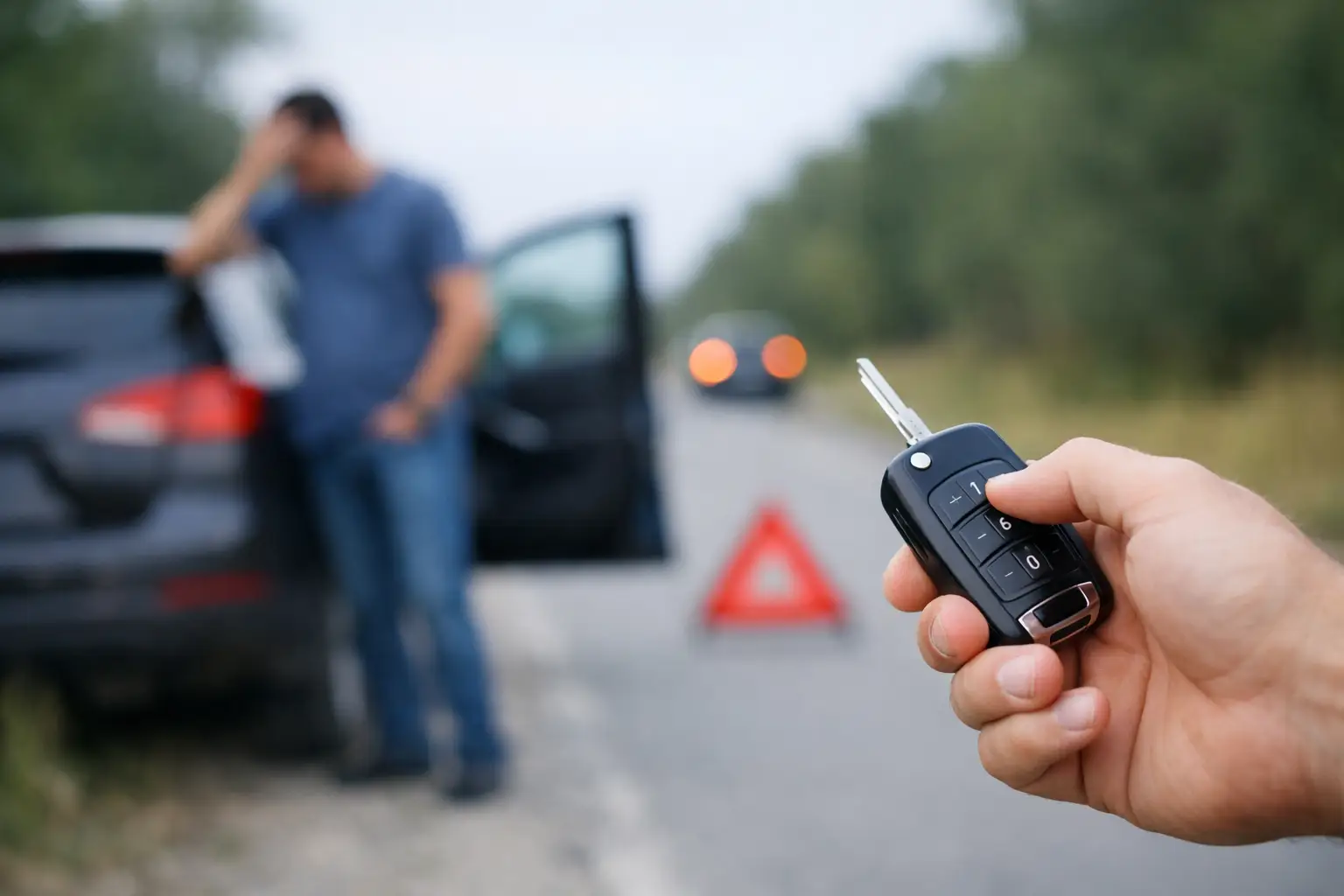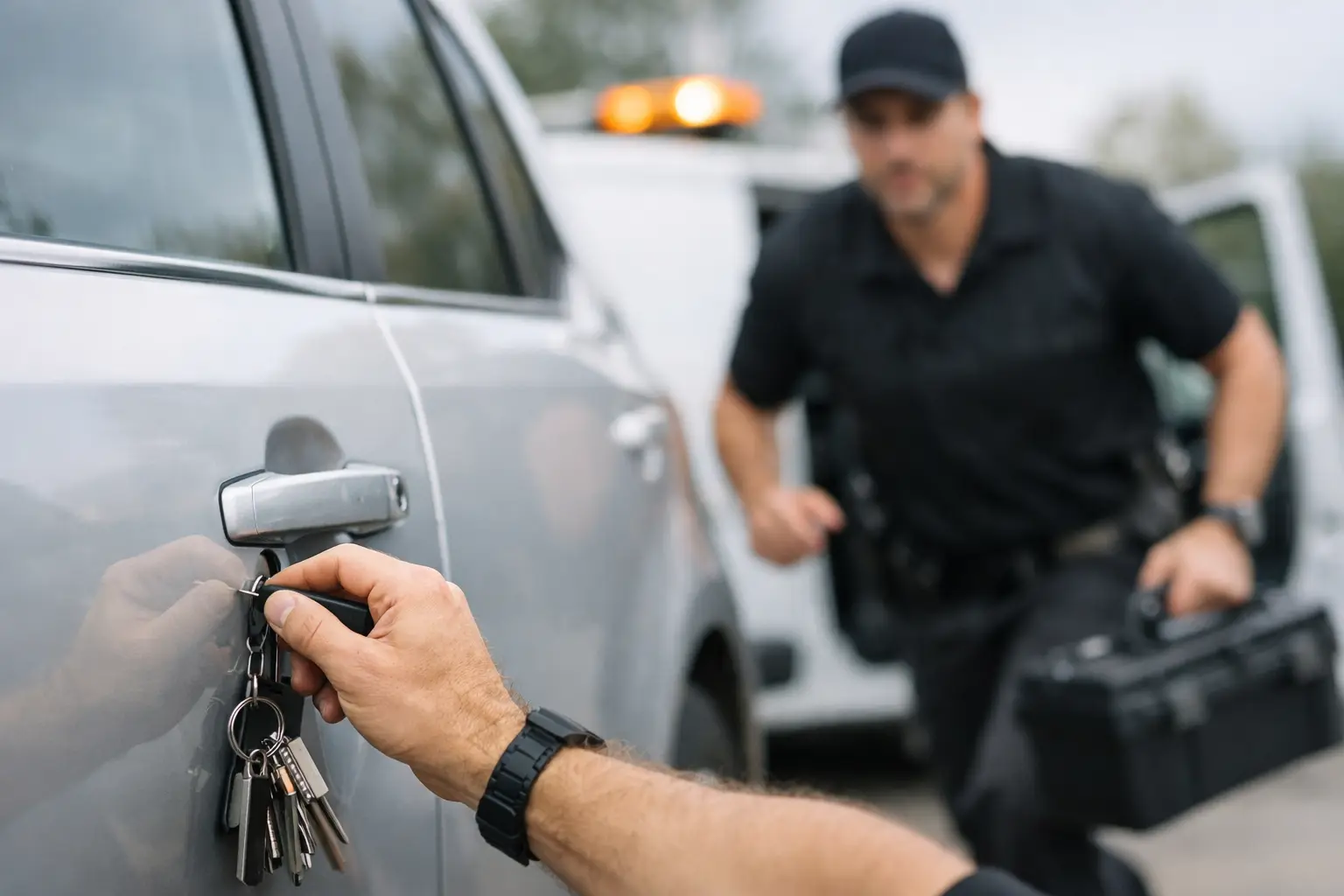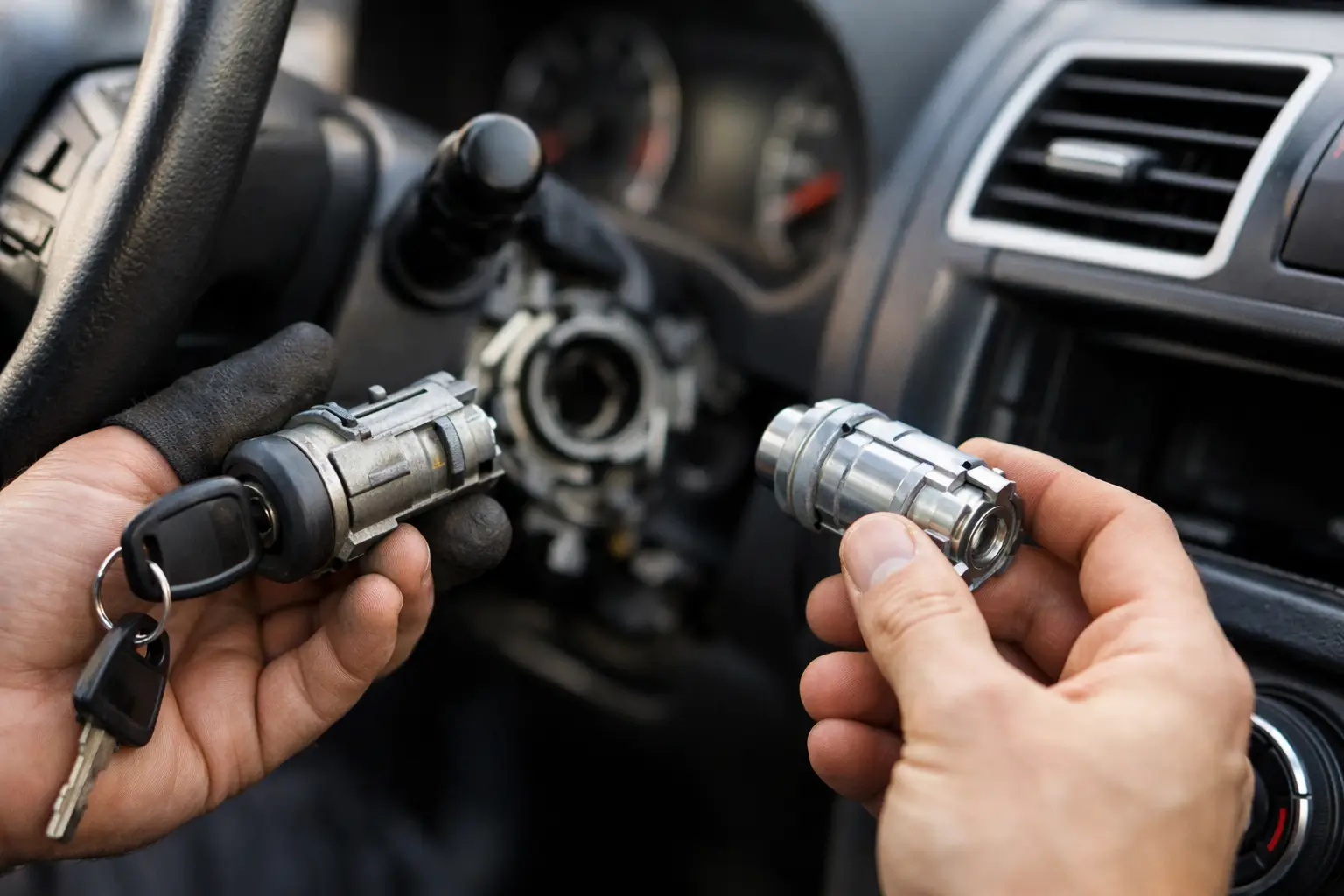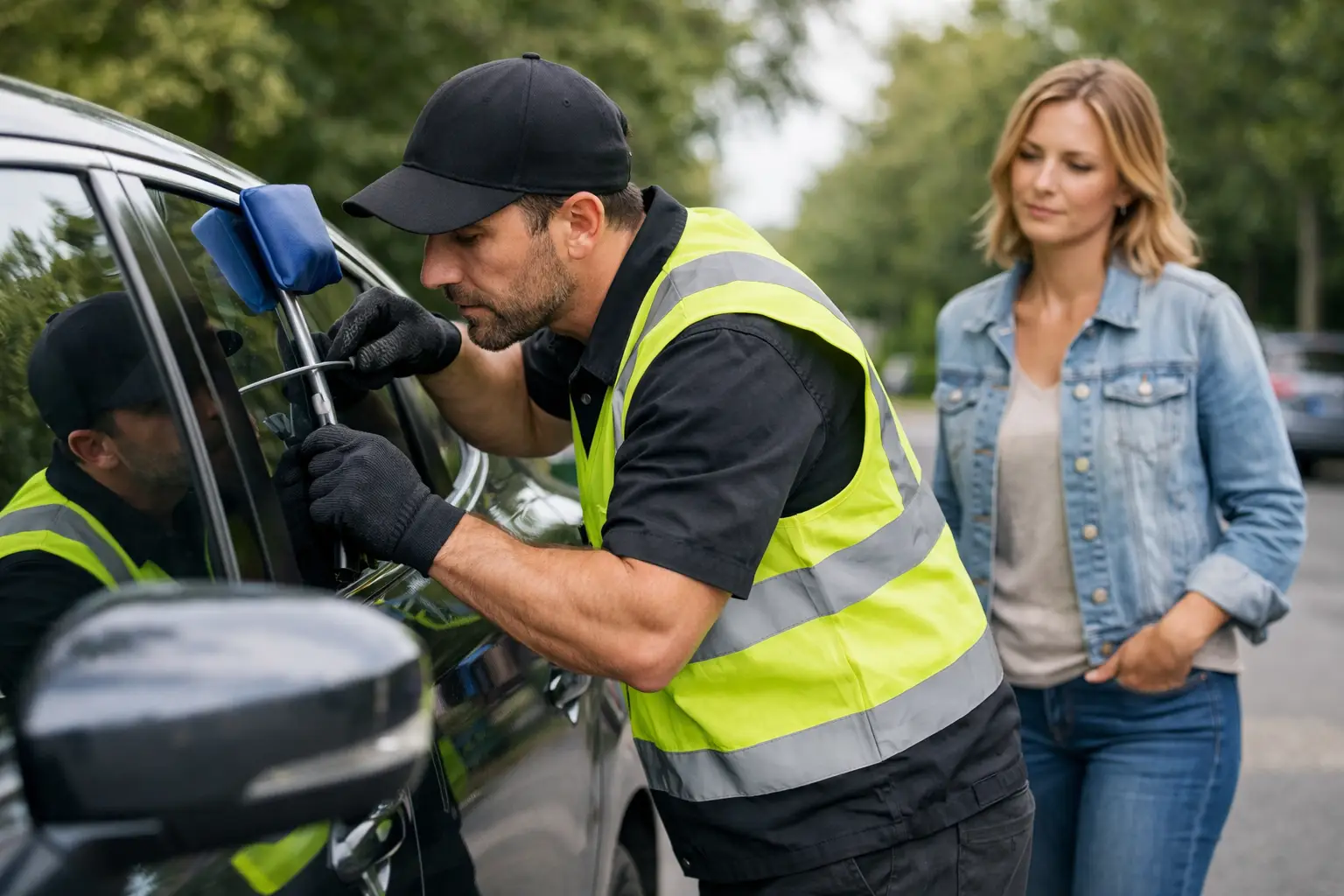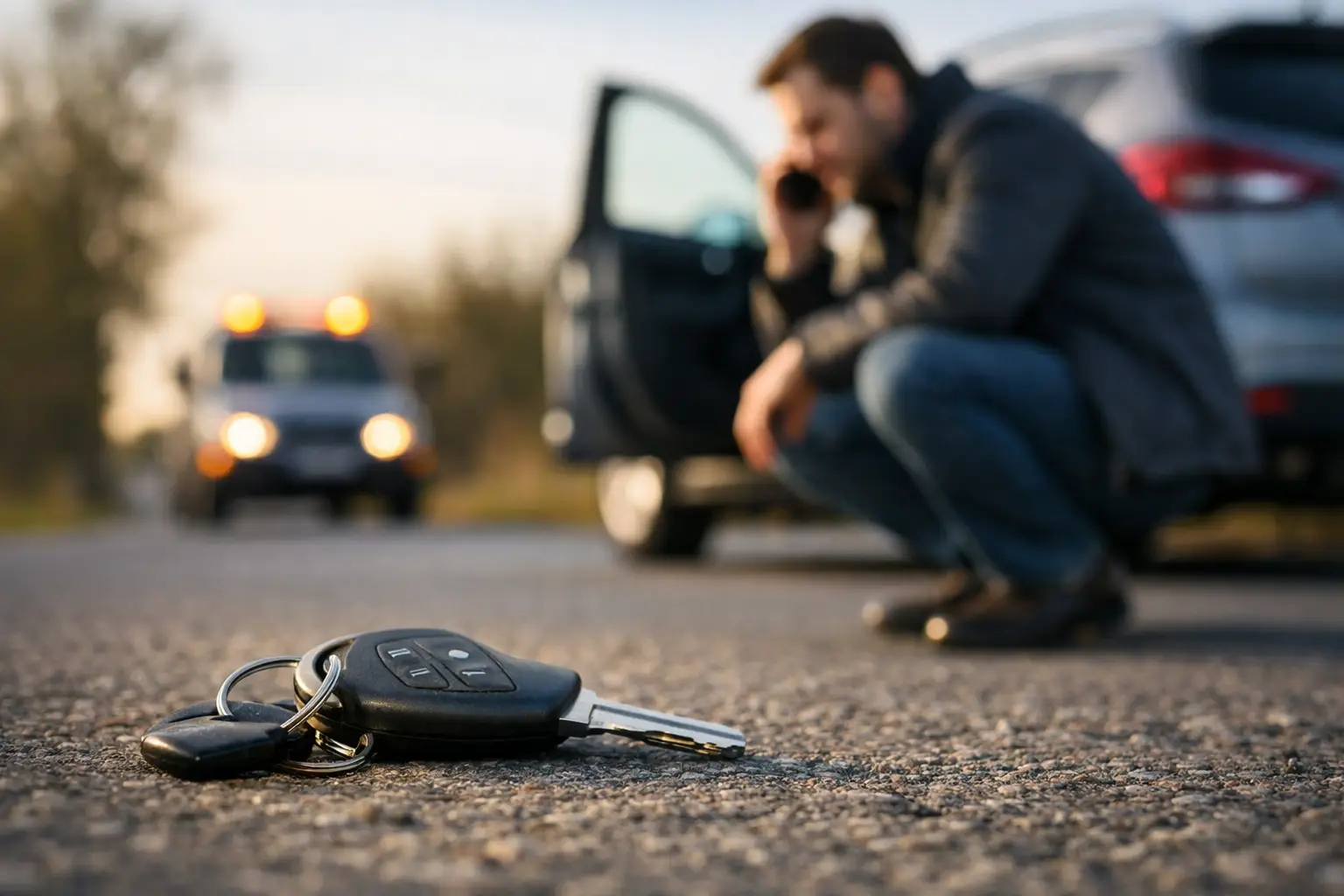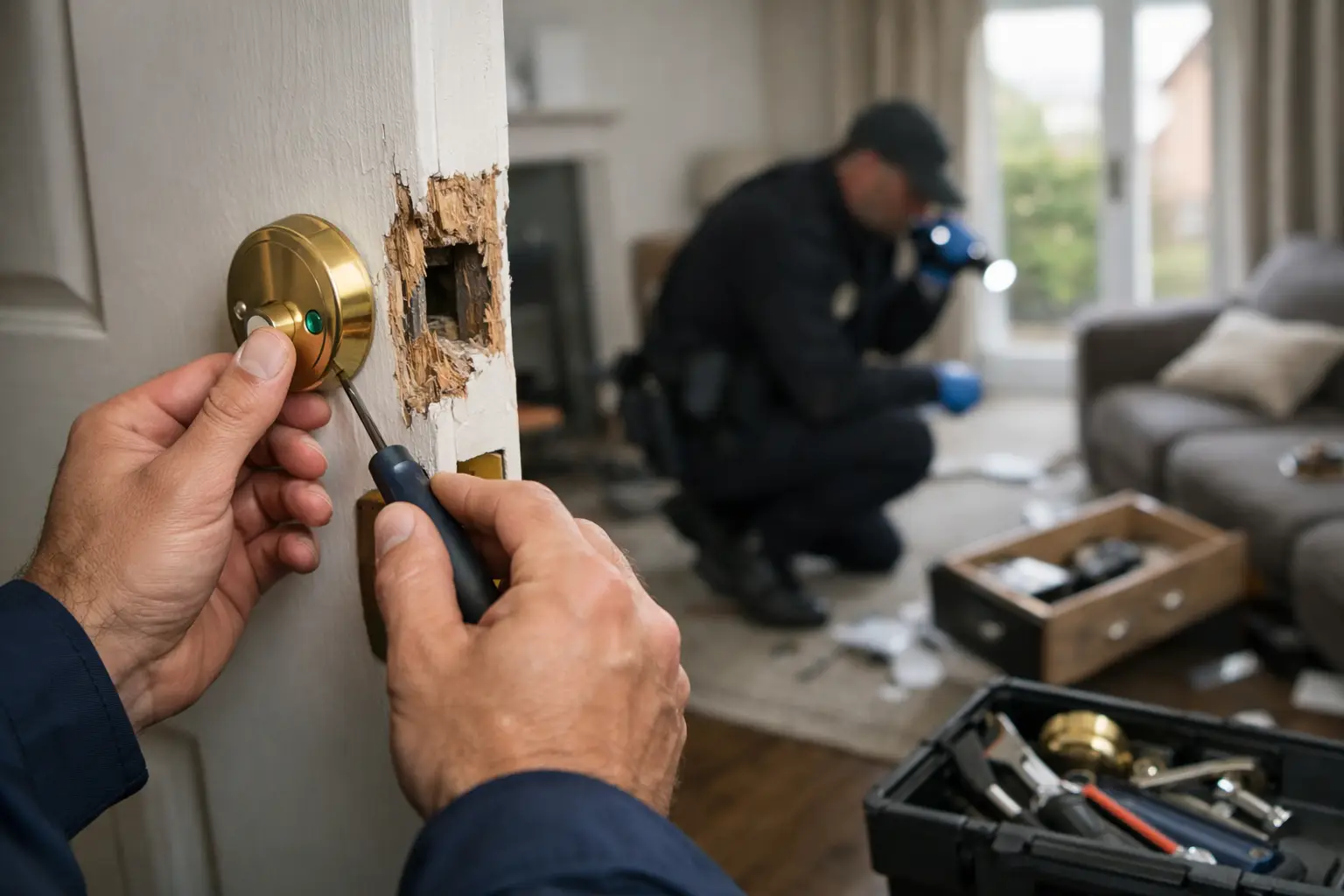

Snapped Key Extraction When You Need Help

A key can snap without much warning: one stiff turn at the front door, a worn car key in the ignition, or a cold morning when a lock is already struggling. Snapped key extraction is not simply about removing the visible piece. The priority is getting you safely back into your home, car or van without turning a small failure into a damaged lock, barrel or ignition.

If part of your key is stuck, avoid forcing anything into the keyway. Call a qualified local locksmith for clear advice and a telephone quote, then get help at your home, workplace or roadside location. A professional can assess the situation and usually resolve it on site, whether the broken key is in a door lock, uPVC handle, vehicle door or ignition.

What to do when a key snaps in a lock

First, leave the remaining part of the key exactly where it is. It is tempting to grab it with tweezers, pliers or the end of a pin, particularly when a small edge is visible. That can work only in rare cases where the broken section is already loose and protruding well beyond the face of the lock. More often, it pushes the blade deeper, bends it within the mechanism or scratches the internal pins.

Do not turn the lock with a screwdriver, another key, or the broken key head. If the key snapped because the lock was under strain, forcing it can damage the cylinder or multipoint locking mechanism as well. What began as an extraction job may then require lock replacement or door repair.

For a car, do not keep trying the ignition or use adhesive to stick the two key parts together. Modern vehicle keys often contain a transponder chip that communicates with the immobiliser. Damage to the casing, blade or chip may leave the car unable to start even after the broken section has been removed.

If you are locked out, in an unsafe location, or unable to secure the property, get help fast. Explain whether the key is in a door, ignition, boot, van lock, garage or window lock, and say whether any part is visible. That gives the locksmith the best chance of arriving with the right extraction tools and replacement options.

Why keys break in doors, cars and vans

A snapped key is often the visible symptom of another problem. Keys wear down over years of use, especially when used heavily on a work van, communal entrance or older front door. The metal weakens around the shoulder and grooves, where repeated twisting places the most pressure on the blade.

The lock may be at fault too. Dirt, corrosion, poor alignment, frozen components and worn internal parts can all make a key difficult to turn. On a house door, a dropped door or misaligned keeps can put extra pressure on the lock. If you have to lift the handle hard, push the door closed with your shoulder or jiggle the key before it turns, the lock needs attention before another key fails.

Vehicle ignitions create a different set of problems. A heavy keyring can contribute to wear in some older ignition barrels, while an already worn key may no longer move the wafers cleanly. Remote key fobs can also crack around the blade, leaving a weak key that eventually breaks during use.

Cold weather does not usually break a sound key by itself, but it can expose a sticking lock. Never pour boiling water over a lock or use excessive heat. It may cause damage, and any short-term improvement can leave moisture inside to freeze again.

How professional snapped key extraction works

A locksmith begins by checking the lock position and the condition of the visible key. If the lock is in the unlocked position, the job may be straightforward. If it has snapped while locked, the approach depends on the type of lock, door and access required.

Specialist extractors are designed to reach alongside the broken blade and draw it out without disturbing the lock components. The aim is always to retain the lock where it is safe and practical to do so. This is particularly valuable with good-quality cylinders, vehicle locks and ignition systems, where unnecessary drilling can create extra cost and delay.

Sometimes extraction reveals that the cylinder, latch or ignition was already failing. In that case, replacing the faulty part is usually the sensible option. A qualified locksmith should explain what has failed, what work is needed and the price before proceeding. You should not be pressured into a replacement when an extraction and repair will safely solve the problem.

For domestic doors, a local locksmith can also check whether the existing lock provides suitable security. If a cylinder has been damaged or is outdated, an anti-snap replacement may be worth considering. For many external doors, a lock that meets BS3621 requirements can be appropriate, depending on the door type and your insurer’s conditions.

Snapped car key extraction needs the right equipment

Car key problems are rarely just mechanical. Even if the metal blade comes out cleanly, you may still need a working spare or a replacement key to drive away. This is why a vehicle locksmith should be able to deal with extraction, key cutting and transponder programming rather than simply removing the broken piece.

The best solution depends on the vehicle. Some keys have a separate remote fob and transponder chip. Others are integrated flip keys, smart proximity keys or motorcycle keys with security coding. A damaged old key can sometimes be repaired, but a fresh replacement is often safer if the blade is significantly worn or the key casing has split.

Avoid assuming a main dealer is the only option. A capable mobile auto locksmith can often supply and programme replacement keys at your location, saving the recovery costs and waiting time involved in moving a non-starting vehicle. However, certain models or highly specialised smart-key systems may require additional parts or a different approach. A straightforward explanation before work starts matters.

When a snapped key means your home is not secure

If a key snaps in a front, rear or patio door and you cannot lock the property properly, treat it as a security issue. This is especially urgent after an attempted break-in, when a lock has been forced, or if the door will no longer latch and close.

A professional should prioritise safe access and securing the property. Non-destructive entry is preferable wherever possible, but the method depends on the lock condition and whether it has been damaged. Once inside, the locksmith can extract the key, repair or replace the faulty lock and check that the door is aligned and operating correctly.

For landlords and tenants, a snapped key can be particularly awkward outside normal hours. Do not leave a flat, house or communal entrance unsecured while waiting for a convenient appointment. Clear communication about the property, lock type and access situation helps a local emergency locksmith respond properly.

Preventing another broken key

Once the immediate problem is resolved, keep the broken key. It can help identify the correct key profile and show where the failure happened. Ask for a properly cut replacement rather than relying on a copy made from a worn, damaged key where possible.

Pay attention to a lock that is becoming difficult to use. A key should not need force. On a uPVC or composite door, make sure the door is shut correctly before lifting the handle and turning the key. If the handle, key or door needs repeated force, arrange a repair before you are locked out.

For vehicles, use a lighter keyring where practical and replace cracked or badly worn remote key cases early. Keep a tested spare key in a safe place, not inside the vehicle. It is a simple precaution that can save a roadside emergency later.

Get local help without making the damage worse

A broken key does not have to mean a ruined lock, an expensive ignition or hours waiting for a dealer. The right response is to stop forcing it, protect your safety and get direct advice from someone equipped to fix the actual fault.

First Class Locksmiths provides mobile snapped key extraction for homes, cars, vans and motorcycles across Mansfield, Shirebrook, Sutton-in-Ashfield, Warsop, Chesterfield, Alfreton, Bolsover and nearby areas. You can speak directly to a qualified, DBS-checked and insured locksmith, receive a clear telephone quote with no call-out fee and no added VAT, and arrange on-site assistance when you need it.

If your key has snapped and you cannot secure your property or use your vehicle, Call Now. A calm, professional extraction can protect the lock, get you moving again and help prevent the same problem returning tomorrow.
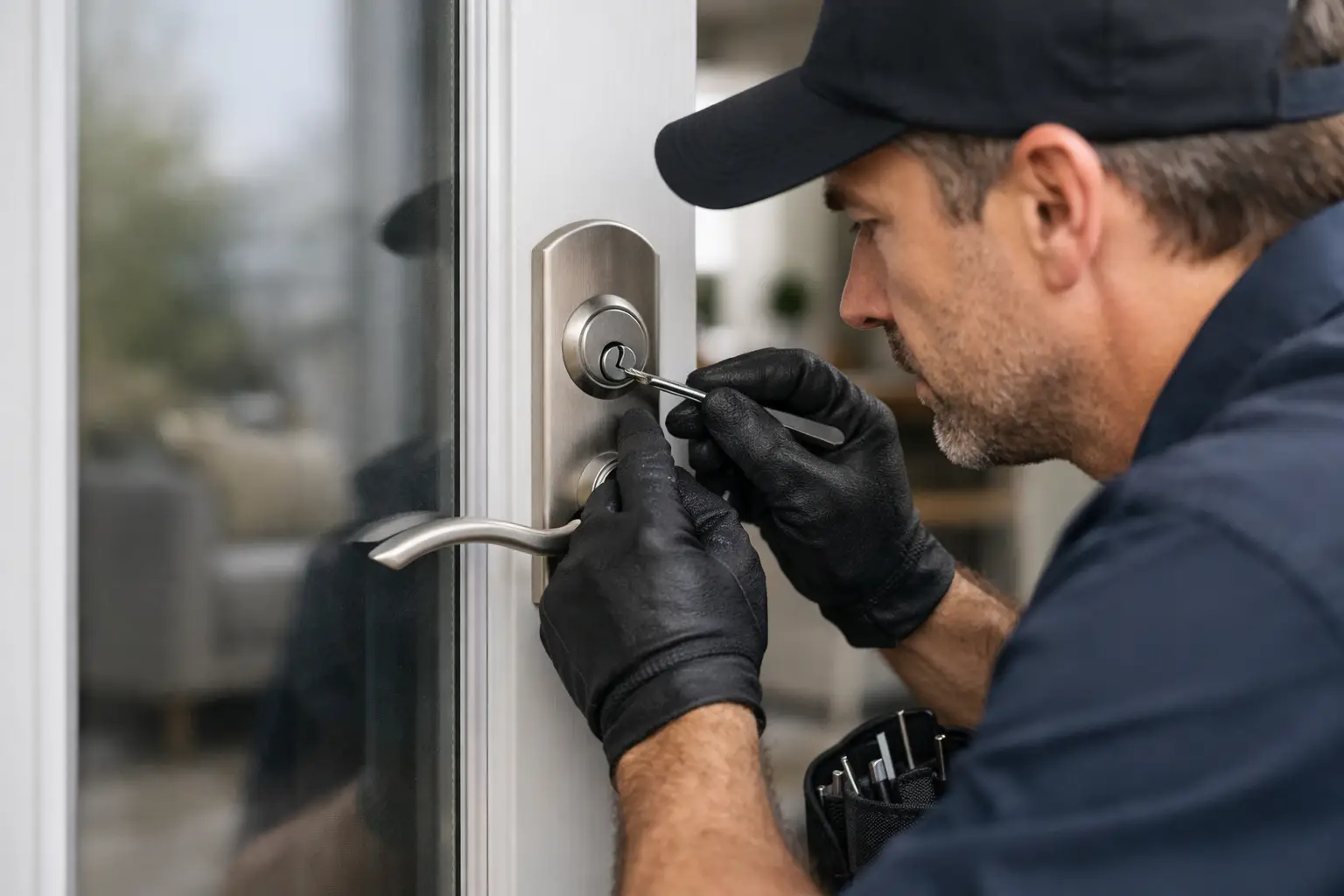
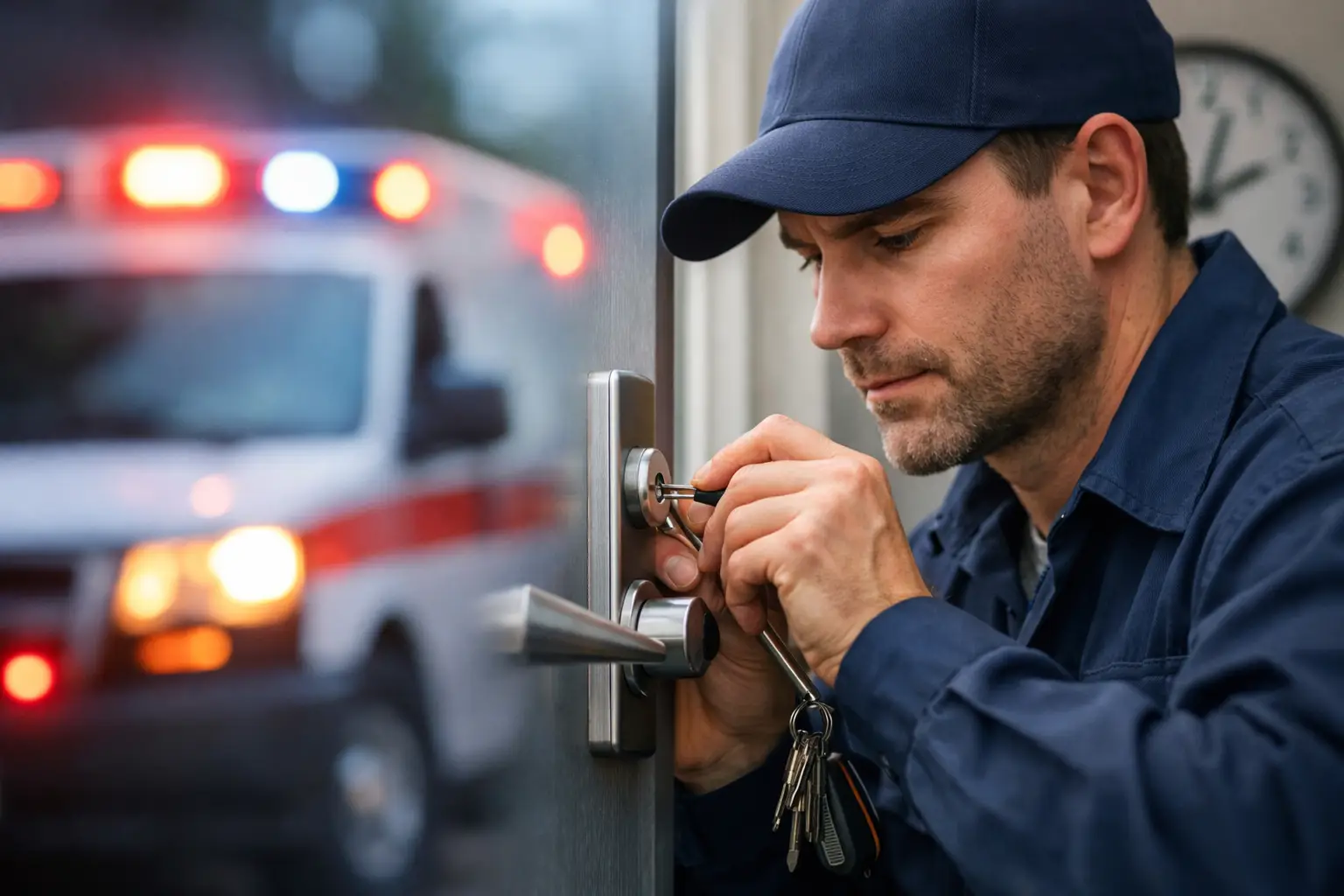
Can a Locksmith Open a Locked House Safely?

A front door that will not open turns an ordinary day into a stressful one very quickly. Whether keys are inside, a key has snapped in the lock or the mechanism has failed, the question is usually the same: can a locksmith open a locked house without damaging the door? In most cases, yes. A qualified domestic locksmith can gain entry using non-destructive methods where the lock and door condition allow it, then resolve the fault on site.

For homeowners, tenants, landlords and residents of flats across Mansfield, Shirebrook, Sutton-in-Ashfield, Warsop and nearby Derbyshire locations, the priority is getting back inside safely without creating a bigger repair bill. The right locksmith will explain what is happening, give a clear telephone quotation where possible and use the least destructive entry method first.

Can a Locksmith Open a Locked House Without Damage?

A professional locksmith does not arrive and immediately drill a lock. Non-destructive entry is always the preferred route because it can preserve your existing door, frame and locking hardware. The method depends on the type of door, the lock fitted and why it will not open.

A standard Yale-style night latch, a euro cylinder on a uPVC or composite door, a mortice lock on a timber door and a multi-point locking system all behave differently. A door may be locked with keys left on the inside, or it may simply be shut with a failed latch. A snapped key, worn cylinder, damaged cam or seized multi-point gearbox can each call for a different approach.

Good locksmith work starts with diagnosis. The locksmith checks the door and lock, confirms that you are entitled to access the property, and chooses the most suitable method. If non-destructive access is possible, that is normally the first option. If a lock has suffered an internal failure or has been badly damaged during an attempted break-in, replacement may be unavoidable. Even then, the aim is to limit disruption and leave the property secure before the locksmith leaves.

Why a Locksmith Will Ask for Proof You Live There

A reputable locksmith must protect the security of the household, not just open a door for the first person who calls. Expect to be asked for identification, a tenancy agreement, utility bill, driving licence or another reasonable form of proof. If your documents are locked inside, the locksmith can often verify them once entry has been gained.

This is particularly relevant for rented homes, shared houses and flats. A tenant may be able to authorise access to their own home, while landlords should be prepared to show ownership or management details. If there is any doubt about who has authority, an honest locksmith will pause and clarify the situation rather than take risks with somebody else’s property.

That verification is reassurance, not inconvenience. It means the person attending takes your security seriously.

What Happens During an Emergency House Lockout

Once you have called, keep the information simple and accurate. Explain your location, the type of property, whether anyone is locked inside, and what has happened to the key or lock. Mention if you have a uPVC, composite, aluminium or wooden door, but do not worry if you are unsure. Photographs can help with a telephone assessment when it is safe to send them.

First Class Locksmiths provides direct access to qualified local locksmiths rather than routing urgent calls through a national call centre. You should receive a clear explanation of the likely work and a competitive quote before attendance where the fault can be identified. There is no call-out fee and no added 20% VAT, helping to keep an already difficult situation straightforward.

On arrival, the locksmith will inspect the door and confirm the issue. Entry work is carried out carefully, with attention to the condition of the door, glass panels, handles and frame. If the lock is still serviceable after entry, there may be no need to replace it. If the lock is the reason you were locked out, a replacement can usually be fitted during the same visit.

This matters late at night, in poor weather or when children, vulnerable adults or pets are inside. If somebody inside needs urgent medical help, call the emergency services first. For a standard lockout, a mobile locksmith can often provide the fastest practical route back into your home.

When Lock Replacement Is the Better Option

Not every locked door should be opened and left as it is. A lock change is often sensible after lost or stolen keys, a relationship breakdown, a tenancy change, a burglary or an attempted burglary. It is also worth considering when a lock has started sticking, the key turns inconsistently or the handle feels loose.

Modern euro cylinders can be vulnerable if they are old or poorly specified. An anti-snap cylinder offers stronger protection against common forced-entry attacks, while suitable British Standard locks can support home insurance requirements. For many timber doors, BS3621-rated mortice locks are a sensible upgrade. The right choice depends on the door construction, existing hardware and how the property is used.

There is a trade-off between keeping costs low and improving security for the long term. Replacing only the failed component may be enough for a newer, secure installation. On an older door with weak cylinders, worn handles or a damaged multi-point lock, a wider repair may offer better value and more reliable protection. A local locksmith should give you the options clearly, without pressuring you into work that is not needed.

Burglary Damage and Failed Locks Need Fast Attention

After a break-in, your first concern is often whether the home can be secured that night. A locksmith can repair or replace damaged locks, deal with snapped cylinders and assess problems with doors, frames and window locks. Where immediate repairs are possible, they should be completed on site so you are not left with a vulnerable entrance.

A failed lock can be just as urgent. On uPVC and composite doors, avoid forcing the handle or repeatedly turning the key if the mechanism feels jammed. That can worsen damage to the gearbox or cylinder. Keep the door closed if you are safely inside, or wait nearby in a safe place if you are locked out, then arrange professional help.

What You Should Do Before the Locksmith Arrives

Check every normal entrance carefully before calling. Another door may be unlocked, a family member may hold a spare key, or a neighbour may be able to collect one. Do not attempt to force a window, remove a glass panel or use improvised tools on the lock. Those attempts often cause injuries, damage the door and turn a straightforward non-destructive job into a replacement job.

If the key is stuck or snapped, do not push another object into the keyway. Keep any broken key pieces you can safely retrieve, as they may help identify the correct key type. If you are outside after dark, wait somewhere visible and safe where possible. If children are inside alone, tell the locksmith when you call so the situation can be prioritised appropriately.

It also helps to ask a few practical questions before booking. Confirm whether the quoted price includes labour and replacement parts, whether the locksmith carries suitable locks on the vehicle, and whether the work can be completed immediately. Direct answers protect you from vague estimates that rise once somebody is already at your door.

Choosing a Local Locksmith You Can Trust

A house lockout puts people under pressure, and that is when unclear pricing and distant call centres cause the most frustration. Look for a locksmith who is local to your area, DBS-checked, insured and prepared to explain the proposed work in plain language. You should know who is attending and what they expect to do before they begin.

Fast attendance matters, but careful work matters too. The cheapest advertised price is not always the final cost if it excludes labour, parts or VAT. A transparent telephone quote and an on-site assessment give you a fairer picture, especially where the underlying fault cannot be seen until the locksmith inspects the lock.

If you are locked out of your home in North Nottinghamshire or Derbyshire, get help fast rather than risking damage to the door or your safety. Call now, explain the situation clearly and let a qualified local locksmith assess the safest way back inside.

Emergency Locksmith Help When Every Minute Counts

A key left on the kitchen table, a car key that will not turn in the ignition, or a damaged front door after a break-in can stop your day immediately. When you need an emergency locksmith, you need a qualified local professional who can assess the problem, give you a clear price and get to you without passing your details through a call centre.

For customers across Mansfield, Shirebrook, Sutton-in-Ashfield, Warsop, Chesterfield, Alfreton and Bolsover, the priority is simple: get safe, get secure and get moving again. Whether you are outside your home, stranded at work or parked at the roadside, the right locksmith should be able to resolve the issue on site wherever possible.

When to Call an Emergency Locksmith

Not every lock problem can wait until the next working day. A domestic lockout can leave children, vulnerable relatives or pets inside. A failed car key can leave you unable to get home, collect the children or complete a job. After a burglary or attempted break-in, a damaged lock or door needs attention quickly so your property is not left exposed.

Emergency help is also sensible when a key snaps in the lock, the cylinder spins without opening the door, a multipoint locking mechanism fails, or your vehicle remote suddenly stops working. Trying to force the lock, lever a door or remove a broken key with household tools often turns a repairable fault into a more expensive replacement.

A local mobile locksmith can identify whether the problem is the key, lock, door mechanism, ignition or vehicle immobiliser system. That matters because the correct solution is not always a complete lock change. Sometimes a repair, key extraction, replacement blade or programmed spare key is the more sensible and cost-effective answer.

Fast Local Help for Homes, Cars and Vans

An emergency is stressful enough without uncertainty over who is attending. National advertising numbers can route callers through a call centre before the job is passed to an available contractor. That can mean delays, unclear pricing and little local accountability.

First Class Locksmiths provides direct access to qualified local locksmiths, with mobile assistance for homes, workplaces and roadsides. Customers receive a telephone quotation before attendance wherever the fault can be understood, with no call-out fee and no added 20% VAT. If the situation changes once the lock or vehicle has been inspected, the work and options should be explained clearly before anything goes ahead.

Locked Out of Your Home?

If you have shut the door behind you with keys inside, lost your keys or found that the lock has failed, non-destructive entry is usually the first aim. This means using professional methods to gain access while preserving the existing lock and door where possible.

It does depend on the type and condition of the lock. A worn cylinder, snapped euro lock, failed gearbox or badly damaged door may need parts replacing to restore proper security. A professional locksmith will not simply get you inside and leave. They should make sure the door locks correctly again, explain what has failed and offer suitable replacement options if they are needed.

For flats, rented properties and landlord-managed homes, proof that you are entitled to access the property may be required. This protects residents as well as property owners. If you are locked out, have your identification ready if possible, but do not delay asking for help if essential medication, a child or another urgent risk is inside.

Car Key and Vehicle Lock Emergencies

Modern vehicle keys do far more than open a door. Many contain a transponder chip that communicates with the vehicle immobiliser. A replacement key may need cutting and programming before the engine will start, which is why a cheap online key shell is rarely a full answer to a lost or failed car key.

Mobile auto locksmith support can help with car, van and motorcycle lockouts, lost keys, damaged remotes, broken key blades, transponder programming and ignition faults across many makes and models. In many cases, a replacement can be produced and programmed at the roadside or at your home, avoiding the cost and waiting time often associated with a main dealer.

If your key is working intermittently, do not wait for it to fail completely. Buttons that only work at close range, a loose blade, a cracked case or a warning that the key is not recognised can all be early signs of trouble. Arranging a repair or spare key before you are locked out is usually less disruptive than dealing with a total failure on a wet evening or before an early shift.

What to Tell an Emergency Locksmith When You Call

A clear first call helps the locksmith arrive prepared. Explain whether you are dealing with a home, vehicle or commercial situation, your exact location and whether anyone is at risk. For a domestic lockout, describe the door type, whether it is locked or simply shut, and whether keys are visible inside.

For vehicle problems, provide the registration, make, model, approximate year and a description of the key issue. Mention whether you have any working keys, whether the remote still operates, and whether the key turns in the ignition. These details help identify the likely key technology and the equipment or parts that may be required.

You should also ask about the expected attendance time and the likely cost. A proper telephone quote gives you a realistic starting point, although hidden damage inside a lock or ignition can only be confirmed after inspection. Honest pricing means being clear about that difference rather than promising an unrealistically low figure to secure the booking.

Emergency Lock Repairs After a Break-In

Following a burglary or attempted burglary, your first concern may be the damage you can see: a broken cylinder, bent letterbox, damaged frame or door that will no longer close. The less obvious concern is whether the remaining security is adequate. A lock that still turns may not be safe if it has been attacked, compromised or fitted poorly.

Emergency repair work should focus on restoring secure access first. That can include replacing a snapped or damaged cylinder, repairing a lock mechanism, securing a door and fitting new locks where required. If the door itself has been damaged, temporary measures may sometimes be needed while further repair is arranged.

Once the immediate issue is dealt with, it is worth considering practical upgrades. Anti-snap cylinders can provide greater protection against cylinder attack on suitable uPVC and composite doors. British Standard BS3621 locks may be appropriate for certain timber doors and can also support some home insurance requirements. Window locks, patio-door security and correctly aligned multipoint locks can make a meaningful difference without turning home security into an expensive project.

Why Non-Destructive Entry Matters

A rushed attempt to force entry can cause damage far beyond the cost of the original lock problem. Scratched doors, broken frames, damaged double-glazed panels and failed mechanisms may leave you with repair bills that could have been avoided.

Non-destructive entry is not a promise that every lock can be opened without replacement. Some high-security locks, failed mechanisms and damaged cylinders must be drilled or replaced to regain safe access. The important point is that destructive methods should be a last resort, not the default approach. A skilled locksmith assesses the lock first and uses the least damaging practical method.

This approach is particularly valuable for landlords, tenants and homeowners who need the property left secure with minimal disruption. It is just as useful for vehicle owners, where forced entry can damage trim, weather seals, electronics and locking systems.

Do Not Leave a Small Problem to Become an Emergency

A stiff lock, loose handle or unreliable key can feel like a minor annoyance until the door will not open at all. Arrange a repair when you notice repeated problems, especially if a key needs force to turn or the handle must be lifted unusually hard before locking. Continuing to force it can damage the cylinder or internal gearbox.

For vehicles, keep a working spare key in a safe place away from the car. If you only have one key, a spare can save significant time and expense if the original is lost, stolen or damaged. For homes, consider changing locks after moving property if you do not know who may still hold a key.

If you are locked out, facing a broken key, dealing with a failed ignition or need urgent burglary repairs, get quick assistance now. A calm call, an accurate location and a qualified local locksmith can turn a difficult situation into a safe, practical resolution.

Car Key Failure: What to Do at the Roadside

Your car key has worked hundreds of times without a second thought. Then, usually when you are late for work, collecting the children or parked somewhere unfamiliar, car key failure stops everything. The doors will not unlock, the ignition will not turn, or the engine refuses to start despite the key appearing completely normal.

The good news is that most key faults can be diagnosed and resolved at the roadside, at home or at your workplace. You do not necessarily need a recovery lorry or an expensive trip to a main dealer. The right response depends on whether the problem is with the key blade, remote, battery, transponder chip, vehicle battery, door lock or ignition.

How to recognise car key failure

A failed car key is not always a totally dead key. Sometimes the remote buttons stop operating the central locking but the key still starts the vehicle. In other cases, the key unlocks the car but the dashboard displays an immobiliser warning and the engine will not run. A snapped blade, loose casing or key stuck in the ignition are more obvious signs that need professional attention.

Modern vehicle keys do several jobs at once. They may contain a remote-control circuit, a battery, a transponder chip that communicates with the immobiliser and a mechanical emergency blade. A fault in one part does not automatically mean every part has failed. That distinction matters because it can affect both the repair and the cost.

If you have a spare key, try it once. If the spare starts the vehicle, the issue is likely to be with the original key rather than the car. Do not keep repeatedly forcing either key into the ignition or pressing remote buttons for several minutes. That can flatten a weak vehicle battery or cause further damage to a worn key blade or ignition barrel.

Common reasons a car key stops working

A flat remote battery

A weak key-fob battery is one of the simplest causes. You may notice that you need to stand closer to the vehicle, press the button several times or that only one button works intermittently. Replacing the battery can restore remote locking, but it will not solve an immobiliser or mechanical ignition fault.

Some vehicles need the key to be synchronised after a battery change. Others do not. Fitting the wrong battery, putting it in the wrong way round or damaging the delicate circuit board while opening the fob can turn a small problem into a bigger one. If the case is already cracked or the buttons have fallen through, a key repair may be the better option.

A damaged or worn key blade

A metal key blade wears gradually. It may begin by catching in the door lock, needing a slight wiggle in the ignition or only turning when inserted one particular way. Left alone, it can eventually stop turning altogether or snap inside the lock or ignition.

Avoid spraying oil, glue or household lubricant into the ignition. These temporary fixes attract dirt and can damage internal components. A locksmith can assess the blade, cut a replacement accurately and, where needed, extract a broken section without causing unnecessary damage to the ignition.

Transponder or programming faults

Most cars, vans and motorcycles made in recent decades use an immobiliser. The vehicle must recognise the coded transponder inside the key before it will start. If the chip is damaged, missing or no longer programmed correctly, the engine may crank but fail to start, or start briefly and then cut out.

This is particularly common after a key has been dropped, crushed, got wet or had a poor-quality replacement casing fitted. It can also happen when someone transfers the blade and remote circuit but accidentally leaves the small transponder chip behind. The key may look fine and still fail to start the car.

An auto locksmith can test the key, identify the correct transponder type and programme a replacement to the vehicle on site. This is often quicker than ordering through a dealer, especially when the car cannot be moved.

Water damage and broken remote buttons

Keys go through washing machines, get left in rain, fall into puddles and spend years in pockets and bags. Moisture can corrode a circuit board long before the problem becomes obvious. A button may work occasionally, central locking may trigger randomly, or the key may stop responding altogether.

Do not attempt to heat the key on a radiator or with a hairdryer set to high heat. Excessive heat can warp the casing and damage electronic components. Remove it from moisture, avoid using it if the buttons are behaving unpredictably and arrange a proper inspection.

A fault with the car, not the key

It is easy to blame the key when the underlying fault is a flat car battery, failed door-lock actuator, damaged ignition barrel or electrical issue. If the central locking is slow, interior lights are dim or the dashboard does not wake up, the vehicle battery may be the real cause.

Likewise, a key that turns but does nothing can point to ignition wear or an electrical fault. A professional diagnosis saves money because there is little value in paying for a replacement key if the existing key is not the problem.

What to do when your key fails

Start by putting safety first. If you are on a busy roadside, move yourself and any passengers to a safe place if possible. Do not leave children or vulnerable passengers in a locked vehicle. If the vehicle is in a dangerous position, contact the relevant emergency or roadside service as well as arranging locksmith help.

Next, check for the simple clues. Try the spare key if you have one. Look for obvious damage, a split fob case or a blade that is bent. Check whether the car battery appears flat. If the remote has stopped working but you can enter using the mechanical blade, avoid leaving the vehicle unsecured while you investigate.

Then speak directly to a qualified local auto locksmith. Explain the make, model, year and registration where available, along with exactly what the key is doing. Mention whether you are locked out, have lost every key, have a key stuck in the ignition or can enter the vehicle but cannot start it. Clear information helps you receive an accurate telephone quote and ensures the locksmith brings the right programming equipment and key stock.

First Class Locksmiths provides mobile vehicle access, key cutting, transponder programming, key repairs, broken-key extraction and ignition replacement across Mansfield, North Nottinghamshire and nearby Derbyshire areas. There is no call-out charge and no added VAT, with a competitive quote provided before work begins.

Can a replacement key be made without the original?

Yes, in many cases. Lost car keys are stressful, but they do not always mean a dealer visit or weeks without transport. A mobile auto locksmith can often gain non-destructive access, create a new key and programme it to the immobiliser where required.

The process varies by vehicle. Older cars may need a straightforward mechanical key, while newer models can require remote programming, transponder coding and security access procedures. Some high-security systems take longer or need additional information. A good locksmith will explain what is possible for your vehicle before starting work rather than promising a one-size-fits-all solution.

If a key has been stolen rather than simply misplaced, ask about deleting the missing key from the vehicle memory. That reduces the risk that someone could return and use it to start the car.

Avoid turning a key fault into a lockout

Small warning signs are worth acting on. Replace a cracked casing before the circuit board or chip is lost. Get a worn blade copied before it snaps. Keep a working spare key separate from the vehicle, not in the glovebox or at the bottom of the same bag as the main key.

It is also sensible to avoid cheap unprogrammed online keys unless you know exactly what your vehicle needs. They can be useful as a shell or a blank in the right hands, but the wrong frequency, chip type or blade profile will not solve an emergency. A key that looks identical is not always electronically compatible.

If your car key is becoming unreliable, deal with it while you are safely parked and have options. A quick local repair or programmed spare is far less disruptive than being stranded in the rain with no way to get home.

Mansfield Locksmith Help When Every Minute Counts

A lost car key in a supermarket car park, a snapped key in the front door or a lock damaged after a break-in cannot wait for a call centre to find someone miles away. When you need a Mansfield locksmith, you need to speak directly to a qualified local professional who can assess the problem, give a clear telephone quote and come to you prepared to finish the job.

First Class Locksmiths provides mobile locksmith and auto locksmith help across Mansfield, North Nottinghamshire and nearby Derbyshire. Whether you are at home, at work or stranded at the roadside, the aim is simple: get you safe, secure and moving again without unnecessary delay or dealership prices.

When to Call a Mansfield Locksmith

Some lock problems are obvious emergencies. You are locked out in the rain, your vehicle key has stopped working or you cannot secure the door before leaving the house. Other issues start small but can quickly become more serious, such as a stiff lock, a loose door handle or a car key that only works after several attempts.

Calling early can often prevent a full lockout. A worn key can break in the lock, while a damaged cylinder may eventually refuse to turn altogether. For vehicle owners, an intermittent remote or transponder fault can leave a car, van or motorcycle immobilised at the most inconvenient moment.

Get Quick Assistance NOW if you are unable to enter or secure your property, have lost every working vehicle key, or suspect a lock has been damaged during an attempted break-in. In these situations, speed matters, but so does choosing someone who explains what is needed before work begins.

Fast Help for Vehicle Lockouts and Car Keys

Modern vehicle keys do far more than open a door. Many contain a transponder chip that communicates with the vehicle’s immobiliser, while remote fobs may control central locking, alarm functions and boot access. That means a replacement key is not always just a matter of cutting a new blade.

A mobile auto locksmith can attend your location and, where appropriate, gain entry without damaging the vehicle, cut a replacement key and programme it to the car. This is often a practical alternative to arranging recovery and waiting for a main dealer appointment.

Lost, broken or faulty vehicle keys

If you have lost your only car key, do not assume the vehicle must be taken to a dealership. In many cases, a replacement can be produced and programmed on site. The exact work depends on the make, model, year and key system, so a good telephone quotation starts with a few useful details about the vehicle.

Keys that have been dropped, bent, soaked or repeatedly forced into the ignition can fail without warning. A remote fob may need repair, a new case or a replacement battery, but some faults are internal and require a new programmed key. If the key turns but the car will not start, the issue may involve the transponder rather than the mechanical cut.

Ignition problems need a careful approach too. Forcing a sticking key can damage the ignition barrel and make the repair more expensive. An experienced auto locksmith can assess whether the problem lies with the key, barrel or another component before recommending ignition repair or replacement.

Locked out of your car, van or motorcycle?

Being locked out is stressful, particularly when children, shopping, work tools or essential medication are inside. The priority is safe, non-destructive vehicle entry wherever possible. Avoid improvised methods such as coat hangers or levering a door frame. They can damage seals, paintwork, locking mechanisms and side airbags, creating a larger bill than the original problem.

Call Now with your location, vehicle details and the nature of the fault. A local mobile locksmith can tell you what information is needed and provide a competitive quote before attending.

Home Lockouts, Broken Locks and Burglary Repairs

A domestic locksmith emergency can leave you exposed as well as inconvenienced. A key snapped in the lock, a failed multipoint door mechanism or a door that will not lock properly should be dealt with promptly. The longer a home cannot be secured, the greater the risk to the property and everyone in it.

For lockouts, non-destructive entry is always the preferred method where the lock condition allows. Not every lock can be opened without replacement, especially after damage or a failed mechanism, but the right approach is to avoid unnecessary drilling and replace only what genuinely needs replacing.

After a burglary or attempted break-in, the immediate task is restoring security. That may mean replacing a damaged cylinder, repairing a door lock, fitting temporary security or dealing with broken window locks. Once the property is secure, it is worth considering whether the existing locks provide the right level of protection for the door and the area.

Security upgrades that make practical sense

Security should suit the property, not be a collection of expensive extras. For many Mansfield homes, upgrading vulnerable external doors to quality anti-snap cylinders is a sensible starting point. These are designed to reduce the risk of lock snapping, a method used to attack some euro cylinder locks.

British Standards-compliant locks, including BS3621 options where appropriate, can also be relevant for insurance requirements. However, the right lock depends on the door type, existing hardware and whether it is a house, flat, bungalow or rented property. Landlords may need to balance secure common access with practical key management, while homeowners may want alike keys for convenience across several doors.

Do not overlook windows, garage doors and patio doors. A strong front-door lock is less useful if an accessible window cannot be secured properly. A locksmith can identify weak points and recommend proportionate improvements rather than pushing a one-size-fits-all package.

What a Local Locksmith Visit Should Look Like

You should not have to guess who is coming to your home or vehicle. The benefit of using a local independent service is direct contact with the locksmith handling the work, rather than a national booking line passing the job to an unknown contractor.

The process should be straightforward. First, explain what has happened and where you are. Next, receive a telephone quote based on the information available. Then the locksmith attends with the tools, replacement parts and programming equipment needed to resolve the problem on site where possible.

There are occasions when the final cost can depend on what is found, particularly with hidden lock damage or unusual vehicle key systems. That is why honest communication matters. You should be told if the job changes, what the options are and why further work is required before it is carried out.

At First Class Locksmiths, customers can speak directly to DBS-checked, insured local locksmiths. There is no call-out charge and no added 20% VAT, helping to keep an already stressful situation clearer and more affordable.

Avoid Making the Problem Worse While You Wait

It is tempting to act quickly when you are locked out, but a few minutes of restraint can save considerable damage. Do not force a stiff key, try to drill your own lock or use online tricks to gain entry. These methods can damage a door, window, vehicle trim or locking mechanism and may compromise your insurance position.

If your key has snapped, leave both pieces available and avoid pushing anything further into the lock. If you are locked out of a vehicle, stay somewhere safe and visible where possible. For a home-security emergency, do not leave a damaged door unsecured while you collect tools or travel elsewhere.

Have useful details ready when you call: your location, the type of property or vehicle, the lock or key issue, and whether you have any working spare keys. For vehicle work, the registration, make, model and year can help identify the likely key system before attendance.

Local Support When You Need It Most

A reliable locksmith service is not only about opening a locked door. It is about arriving with the practical skills to repair, replace, programme and secure what has gone wrong. For motorists, that can mean getting back on the road without a long wait for a dealer. For homeowners, it means restoring a safe, lockable home as quickly as possible.

If a key has failed, a lock will not turn or your property is no longer secure, get help fast. A clear quote, direct local contact and on-site resolution can turn a difficult day into a problem dealt with properly.

When Ignition Barrel Replacement Is Needed

The key turns a little further each morning. Then it sticks, spins freely or refuses to turn at all while you are outside work, at home or stranded on the roadside. Ignition barrel replacement is often the answer, but it is not the first assumption a proper auto locksmith should make. The fault may be in the key, the barrel, the steering lock or the vehicle’s electronic immobiliser system. Identifying the real cause can prevent unnecessary cost and get you moving faster.

For motorists across Mansfield, Shirebrook, Sutton-in-Ashfield, Warsop, Chesterfield, Alfreton and Bolsover, a failed ignition can turn an ordinary journey into a stressful emergency. A qualified mobile auto locksmith can inspect the problem where the vehicle is, explain the options clearly and carry out the work on site in many cases. Call now for a clear telephone quote and practical advice before arranging recovery or paying main dealer prices.

What does an ignition barrel do?

The ignition barrel is the mechanical part where the key is inserted and turned. Inside are small pins or wafers designed to match the cuts on your key. When the correct key is used, those components align and allow the barrel to rotate through the accessory, ignition and start positions.

On many modern vehicles, that mechanical action works alongside an immobiliser. The key’s transponder chip communicates with the car before it will start. That means a vehicle can have two separate issues at once: a worn barrel may stop the key turning, or a correctly turning key may fail to start the engine because the transponder is damaged or no longer recognised.

This is why a key that will not start the car does not automatically mean the ignition barrel has failed. An experienced auto locksmith checks the physical key operation and the electronic side before recommending a repair.

Signs ignition barrel replacement may be needed

A barrel rarely fails without warning. The most common early sign is needing to jiggle the key, apply pressure in a particular direction or make several attempts before it turns. This can be easy to ignore until the day it locks completely.

You may need an ignition inspection if the key enters but will not rotate, turns without bringing the dashboard lights on, becomes difficult to remove, or snaps in the ignition. A steering wheel that appears locked can also make starting impossible. Sometimes this is simply tension on the steering lock, which can be released by gently turning the wheel while carefully turning the key. Do not force it. Excess force can break the key or damage components that may otherwise have been repairable.

Another warning sign is a key that works in the door but not in the ignition. Because the ignition is used far more frequently, its internal components can wear sooner than the door lock. Equally, a worn key can gradually stop operating the barrel correctly even if the barrel itself is still serviceable.

A worn key can look like a failed barrel

Vehicle keys lose their sharp profile over years of use. The grooves become rounded, especially when the key is carried loose with heavy keys or tools. If your spare key turns smoothly but your daily key does not, the likely solution may be a correctly cut replacement key rather than a new ignition barrel.

This is a useful distinction. Replacing the barrel when a key is the true problem adds expense and can leave you with separate keys for the doors and ignition. A local locksmith can assess the condition of both before work begins.

Why ignition barrels fail

Wear is the usual cause, particularly on older cars, vans and motorcycles that have been started thousands of times. The internal wafers no longer line up reliably with the key, so the barrel jams or fails to turn.

Damage can also follow an attempted theft, a broken key, a heavy bunch of keys pulling on the ignition while driving, or somebody forcing the key after it has become stiff. Moisture and dirt can contribute too, especially on vehicles that spend long periods outside.

Some makes and models have known weaknesses around the ignition housing or steering lock mechanism. The correct repair depends on what has actually failed. The barrel may need rebuilding or replacing, the ignition housing may require attention, or the key and transponder may need to be replaced and programmed. A good diagnosis matters more than fitting the first part available.

The right approach to ignition barrel replacement

A professional replacement starts with confirming the fault. The locksmith will check whether the key turns, whether the steering lock is binding, whether the key is worn or broken and whether the immobiliser recognises the transponder. If the vehicle cannot be started, the aim is to resolve it without causing further damage to the steering column, wiring or dashboard trim.

Where a replacement barrel is necessary, there are a few possible routes. In some cases, the new barrel can be built or adapted to work with your existing key. This is the most convenient outcome because one key can still operate the ignition and doors. On other vehicles, a replacement barrel comes with its own mechanical key and the existing remote or transponder electronics may need to be transferred, cloned or programmed.

The correct option depends on the vehicle’s make, model, year and security system. Modern cars often require specialist equipment to programme transponder chips or remote fobs after mechanical work. This is not a job for guesswork, online parts alone or forcing components that do not match.

At First Class Locksmiths, the focus is on resolving the problem at your home, workplace or roadside location wherever possible. You speak directly to a qualified local locksmith, not a national call centre passing the work elsewhere. We explain the likely repair, provide an upfront competitive quote and complete the work on site when the vehicle and parts arrangement allow.

Can a locksmith replace an ignition barrel without a main dealer?

In many situations, yes. A mobile auto locksmith can cut replacement vehicle keys, extract snapped keys, repair or replace ignition components and programme transponder keys for a wide range of cars, vans and motorcycles. This can save the inconvenience of arranging vehicle recovery and waiting for a dealership appointment.

There are exceptions. Certain prestige, very new or specialist vehicles can have dealer-controlled security procedures, restricted parts or systems that need manufacturer access. A straightforward answer is better than a promise that cannot be kept. Give the locksmith the registration, make, model, year and a clear description of what the key is doing, and they can advise on the likely solution before attending.

What to do when your ignition will not turn

Start by taking pressure off the steering wheel. With the handbrake applied and the vehicle safely parked, gently move the wheel left and right while carefully trying the key. Do not twist the key hard, use pliers or spray unsuitable lubricant into the barrel. These actions can leave a simple fault as a snapped-key extraction or a more expensive ignition repair.

If you have a spare key, try it once. A spare that works strongly suggests wear in the everyday key. If neither key turns, or the key is stuck in the ignition, stop trying to force it and get help fast. Keep both keys available if possible, as they can help the locksmith establish whether the issue is key wear, barrel wear or an immobiliser fault.

If the key has snapped, do not push the broken piece deeper into the ignition. A specialist can remove it using the correct extraction tools and then assess whether a replacement key alone will restore operation. It depends on why the key broke: metal fatigue may be the only issue, while a stiff barrel may have caused the break in the first place.

Cost, timing and avoiding surprise charges

The cost of ignition work varies because the job is not always simply fitting a new part. The vehicle type, availability of the correct barrel, whether a key needs cutting, and whether transponder programming is required all affect the price. Damage from forcing the key can also change the scope of work.

The sensible first step is a telephone assessment and a transparent quotation based on the details available. Ask what is included, whether programming is required and what happens if the diagnosis shows the barrel is not the main fault. First Class Locksmiths does not charge a call-out fee or add 20% VAT, helping customers compare the real final cost rather than an attractive starting figure.

A mobile locksmith can often attend urgently and complete a repair in one visit, but parts availability and vehicle security systems sometimes mean a second visit is needed. Being clear about that from the start is part of good service, especially when you are trying to arrange work, school runs or essential travel.

Preventing another ignition problem

Once the vehicle is working again, use a lighter keyring and avoid forcing the key at the first sign of resistance. A replacement key made while you still have a working original is normally simpler and less stressful than dealing with a fully failed ignition. Keep a spare key somewhere secure, not inside the vehicle.

If your ignition is catching, your key is sticking or your car will not start at all, act before a rushed journey makes the problem worse. Get quick assistance now and let a local, insured auto locksmith identify the fault safely, protect your vehicle from further damage and give you a practical way back on the road.

How to Unlock a Car Door Safely Without Damage

A locked car door can turn a normal school run, work visit or trip to the shops into a stressful roadside problem in seconds. If you are searching for how to unlock car door after leaving keys inside, losing them or finding that the remote has stopped responding, the safest answer is usually the one that protects both you and the vehicle: pause, check the simple options, then call a qualified local auto locksmith if access is still not possible.

Trying to force a window, bend a door frame or prise at a lock may look like a quick fix. It can also lead to damaged paintwork, broken seals, water leaks, alarm faults and a much larger repair bill. Modern vehicles are built with security in mind, and many need specialist equipment and knowledge to gain entry without causing damage.

How to unlock a car door: start with the safe checks

Before arranging help, take a minute to make sure the car is genuinely locked and that there is not a straightforward solution available. Check every door and the boot, as one may not have locked properly. If you have a keyless vehicle, make sure the fob is not in a bag, coat pocket or another part of the car where it can be detected intermittently.

If your remote key has suddenly failed, the battery may be flat. Many remote and keyless-entry fobs contain a mechanical emergency key, often hidden behind a small release catch. Your vehicle handbook should explain where it is and how to use it. On some cars, the physical key opens the driver’s door only, while the alarm may sound until the key is placed in the correct emergency starting position.

A spare key is the simplest solution if one is available nearby. Consider the practicalities, though. Asking somebody to travel across Mansfield, Chesterfield or further afield may take longer than a local mobile locksmith reaching you, particularly outside normal hours.

Manufacturer apps can help on certain newer cars, but only where remote access has already been set up, the account is active and the vehicle has a signal. They are useful when they work, but should not be your only plan in an urgent situation.

When not to try a DIY entry method

There is a difference between using your own emergency key and attempting to defeat the vehicle’s locking system. The latter can quickly cause avoidable damage. Coat hangers, wedges, screwdrivers and improvised rods are not a sensible answer for modern cars, vans or motorcycles.

Door frames can bend slightly without looking damaged at first. That small change can create wind noise, allow rainwater past the seals or stop the door closing correctly. Airbags, wiring looms, side-impact protection and electronic locks may also sit close to the areas people try to force.

Broken glass is even more serious. Aside from the expense and the risk of injury, shattered glass leaves the vehicle exposed and may create an insurance claim. If a child, vulnerable person or pet is trapped inside a vehicle and there is immediate danger from heat, cold or medical distress, contact the emergency services straight away. Do not wait for routine assistance.

For a standard lockout where everyone is safe, professional non-destructive entry is the sensible route. A trained auto locksmith can assess the vehicle, confirm ownership and use appropriate methods to regain access with minimal risk to the car.

Why newer vehicle keys make lockouts more complicated

A car key is no longer always just a cut piece of metal. Many vehicles use a transponder chip that communicates with the immobiliser, while others use remote fobs, proximity keys or keyless start systems. Opening the door is only one part of the issue if the key has been lost, snapped or has stopped working.

For example, a replacement blade may physically turn a lock but still not start the engine if its transponder has not been programmed. Equally, a damaged remote fob may have a faulty case, battery connection or circuit board rather than a problem with the vehicle itself. Diagnosis matters because it avoids paying for work that does not solve the real fault.

A capable mobile auto locksmith can often provide entry, cut a replacement key, programme a transponder and test it at your roadside, home or workplace. This can be quicker and more convenient than recovering the car to a main dealer and waiting for a key order.

What to do while you wait for vehicle access

Move yourself and any passengers to a safe place, especially if you are on a busy road, in a poorly lit car park or near moving traffic. If it is safe to do so, stay close enough to identify the vehicle but do not stand in a live lane or on a hard shoulder.

Have the vehicle registration, make, model and approximate year ready. Let the locksmith know whether the keys are locked inside, completely lost, broken in the lock or ignition, or present but not working. Mention any keyless-entry symptoms, alarm activity or previous problems with the ignition. Accurate details help ensure the right equipment is brought to the job.

You should also be prepared to show proof that you own or are authorised to use the vehicle. A responsible locksmith will need to establish this before gaining entry or producing a replacement key. If documents are inside the car, explain that when you call. This is a normal security check, not an inconvenience.

Choosing a local auto locksmith rather than taking chances

A lockout is not the time to gamble on a vague advert or a call centre that cannot tell you who is attending. Ask whether you are speaking directly to the locksmith, whether there is a call-out charge, and whether the quoted price includes VAT. It is also reasonable to ask whether entry will be non-destructive wherever possible and what happens if a new key or programming is required.

First Class Locksmiths provides direct, mobile assistance across Mansfield, North Nottinghamshire and nearby Derbyshire locations. The aim is straightforward: explain the problem, receive a clear telephone quotation, then have a qualified locksmith attend and resolve it on site where possible. There are no call-out fees and no added 20% VAT, so you know the basis of the price before work begins.

Local attendance can make a real difference when you are stranded outside work in Sutton-in-Ashfield, at home in Shirebrook, or in a supermarket car park around Bolsover, Warsop, Alfreton or Chesterfield. A locksmith who works in the area has a reason to be accountable, not simply to pass the job to the next available subcontractor.

If the key is lost, snapped or stuck

Being unable to get into the car is not always a straightforward lockout. A lost key may require a replacement key and immobiliser programming. A snapped key may need careful extraction from the door lock or ignition before a new key can be cut. If the key turns but the car will not start, the fault could involve the transponder, key fob, ignition barrel or vehicle electronics.

Avoid repeatedly forcing a sticking key. If it breaks inside the ignition, the repair can become more involved and you may be left unable to secure or move the vehicle. Turn the engine off if possible, keep all broken key pieces, and arrange professional assessment.

For vans used for work, the consequences can be more than an inconvenience. Lost time, missed appointments and tools left inaccessible all add pressure. Tell the locksmith if the vehicle is a van or if you need a replacement key made urgently, as the key type and programming requirements can vary by make and model.

Prevent the next lockout

Once you are back in the vehicle, take a few simple precautions. Replace a weak fob battery before it fails completely, keep a properly tested spare key somewhere secure away from the vehicle, and repair a cracked or loose key case before the internal electronics are damaged. If you have only one working key, arranging a spare before it is lost is usually cheaper and far less stressful than dealing with an emergency.

If you are locked out now, do not risk damage for the sake of a shortcut. Get help fast from a qualified local auto locksmith, protect your car and get back on the road with a key solution that actually works.

Lost Car Keys? Get Back on the Road Fast

You notice the keys are missing just as you need to leave for work, collect the children or get home after a late shift. Lost car keys are more than an inconvenience – they can leave you stranded at the roadside, outside your home or in a workplace car park. The good news is that, for most makes and models, a qualified local auto locksmith can get to you and deal with the problem where you are.

Before you spend hours retracing your steps or arrange an expensive recovery to a main dealer, take a breath. A mobile locksmith can often gain entry without damage, create a replacement key and programme it to the vehicle on site.

Lost car keys: what to do first

Start with a quick, sensible check of the places your keys are most likely to be. Check pockets, bags, the door lock, the ignition area, under seats and around the route you took from the vehicle. If you have only just lost them, calling a family member, workplace reception or the last shop you visited may save an unnecessary replacement.

If they are genuinely gone, do not try to force the door open with a coat hanger, screwdriver or online gadget. Modern vehicles have tight seals, side-impact protection, sensitive wiring and sophisticated locking systems. A DIY attempt can damage the door frame, glass, lock mechanism or airbag components, turning a key problem into a far more costly repair.

You should also avoid leaving the vehicle unsecured while deciding what to do. If it is in an unsafe place, tell the locksmith exactly where you are and whether you need urgent entry or a replacement key. Clear information helps get the right equipment to you first time.

A replacement key is not always just a key

Many older vehicles use a basic mechanical blade that turns the ignition. Most newer cars, vans and motorcycles use a transponder chip, remote fob or proximity system that communicates electronically with the vehicle. Cutting a blade alone will not start a vehicle that needs a programmed transponder.

That is why lost-key work requires more than gaining access. The locksmith may need to read vehicle data, cut a new key to the correct pattern and programme the chip or remote so the immobiliser recognises it. In many cases, the missing key can also be removed from the vehicle’s memory, helping to protect the vehicle if the original keys have been stolen rather than simply misplaced.

The exact process depends on the make, model, year and key type. Some vehicles can be completed quickly at the roadside, while others need additional programming time or specialist key stock. A reliable locksmith will explain this before work begins rather than promising a one-size-fits-all fix.

Get the right help without the dealership delay

A main dealer is one option, but it is not always the quickest or most practical one. You may need to arrange recovery, prove ownership, order a key, wait for an appointment and then take the vehicle in for programming. For someone stuck outside their house in Mansfield, at work in Chesterfield or on a roadside near Bolsover, that process can be frustrating and expensive.

A local mobile auto locksmith comes to the vehicle instead. That means help can be provided at your home, workplace, supermarket car park or roadside location, without the extra disruption of moving a car that cannot be driven.

First Class Locksmiths provides direct access to a qualified local locksmith rather than a national call centre. You explain the problem, receive a clear telephone quotation and arrange attendance. There is no call-out fee and no added 20% VAT, so you know where you stand before a locksmith travels to you.

Information that helps a locksmith act quickly

When you call for lost car key help, have as much vehicle information ready as possible. The registration number is useful, along with the make, model, approximate year and your location. Tell the locksmith whether the car is locked, whether any spare key exists and whether you have lost a standard key, remote fob, key card or keyless entry device.

You will normally need to show proof that the vehicle is yours or that you are authorised to use it. This protects you and other motorists. A professional locksmith should not create access or replacement keys without checking ownership properly.

It also helps to mention any warning signs before the keys were lost. Perhaps the remote had stopped working, the key had to be held in a certain position, the blade was damaged or the ignition had become difficult to turn. These details can point to a key or ignition fault that needs attention alongside the replacement.

Can a locksmith open the car without causing damage?

In most routine lockouts, yes. Non-destructive vehicle entry is the preferred approach. Using suitable tools and techniques, an experienced auto locksmith can usually open the vehicle without breaking a window or damaging the lock.

There are exceptions. A car with previous accident damage, a failed locking mechanism or an altered security system can make entry more complex. If there is a risk of damage or a different solution is required, you should be told before any work is carried out. Honest advice matters most when you are under pressure.

Once inside, the job may be as simple as recovering keys locked in the car. If all keys are lost, entry is only the first stage. The locksmith can then assess what is needed to cut and programme a working replacement.

If the keys may have been stolen

Treat stolen keys differently from keys that are likely to be somewhere in the house. If you believe somebody has taken them, especially if they know where the vehicle is kept, move quickly. If it is safe to do so, park the vehicle in a secure, well-lit place and report the theft to the police and your insurer where appropriate.

Ask about deleting the missing keys from the vehicle’s system when a replacement is programmed. This does not prevent someone from physically opening every vehicle in every circumstance, but it can stop the old electronic key from starting many models. It is a sensible extra layer of protection.

For keyless vehicles, keep any replacement fob away from doors and windows at home. A signal-blocking pouch can reduce the risk of relay theft, although it should be tested because not every pouch works equally well. Convenience is useful, but keyless systems need sensible security habits.

Avoid being stranded by one key

Once the immediate problem is solved, consider having a spare made and programmed. It is usually easier and less stressful to arrange a spare while you still have a working key than when every key has disappeared. Keep the spare somewhere secure and separate from the vehicle, not in the glovebox or under a wheel arch.

A spare is especially worthwhile for households that share a car, self-employed drivers who rely on a van, and anyone travelling regularly between Mansfield, Shirebrook, Sutton-in-Ashfield, Warsop, Alfreton and nearby areas. Lost time can cost far more than a planned spare key.

If your current fob has cracked buttons, a weak casing or an unreliable remote, ask about key repair too. Replacing a worn shell or repairing a damaged key early may prevent it failing completely when you are far from home.

When the problem is the ignition, not the key

Sometimes a lost-key call reveals a different issue. A replacement key may turn in the door but not the ignition, or the ignition may feel stiff, jammed or spin freely. Forcing it can snap a blade inside the barrel and make the repair more involved.

An auto locksmith can assess whether the issue is a worn key, damaged ignition barrel, immobiliser fault or another mechanical problem. Depending on the vehicle, ignition repair or replacement may be possible on site. Getting the cause checked properly is safer than repeatedly forcing the key and hoping it frees up.

Get quick assistance now

If you are locked out, stranded or facing a vehicle that will not start because the keys have gone missing, call a local auto locksmith and explain the situation clearly. Help is available for cars, vans and motorcycles across Mansfield, North Nottinghamshire and nearby Derbyshire locations. The right response is not to panic or damage the vehicle – it is to get safe, practical assistance and get moving again.

How to Remove a Snapped Key Without More Damage

A key snapping in the lock has a habit of happening at the worst possible moment: outside your home after work, at the school run, or when your car will not start on the drive. Knowing how to remove a snapped key without making the situation worse can save time, but only if the broken piece is easy to reach and the lock has not been forced.

The first rule is simple: stop turning, pushing or poking at the lock. A key often breaks because the lock, ignition or key blade was already under strain. Forcing the remaining piece further inside can turn a straightforward extraction into a damaged lock or ignition repair.

First, check where the key has snapped

Look closely before attempting anything. If a section of the key is sticking out far enough to grip, you may be able to remove it carefully. If it has snapped flush with the face of the lock, is deep inside an ignition barrel, or the lock feels stiff or seized, it is usually safer to call a qualified locksmith.

A broken house key, car key and ignition key are not all the same job. A standard door lock may allow careful access to the keyway, while modern vehicle ignitions can contain delicate components. Car keys may also have a transponder chip in the head, so even if the blade is removed, the vehicle may still need a replacement key and programming.

Do not use the other half of the broken key to try to turn the lock. It will not reconnect securely, and it can push the trapped part deeper into the mechanism.

How to remove a snapped key that is protruding

If there is a clear piece of key blade outside the lock, work slowly and keep the lock in its normal, neutral position. If the key snapped while turned in the cylinder, gently return the lock to its resting position first. The pins inside the lock need to line up before the blade can come out.

Use a pair of narrow-nose pliers or tweezers with a firm grip. Hold the exposed edge of the key straight, then pull directly out. Do not twist it side to side. Twisting can catch the blade on the pins and leave marks inside the lock.

If the key is difficult to move, a small amount of proper lock lubricant may help. Use a product intended for locks, sparingly. Do not soak the keyway with household oil, cooking oil or thick sprays. These can attract dirt, gum up the internal parts and create another problem later.

If the key does not slide out with gentle, controlled pressure, stop. A few seconds of restraint is far cheaper than a replacement cylinder, damaged ignition or emergency repair.

When the key has snapped flush inside the lock

A key broken level with the face of the lock is much harder to remove without specialist tools. Locksmiths use fine extraction picks and broken-key extractors designed to hook behind the blade without damaging the pins or warding inside the lock.

It can be tempting to try a jigsaw blade, paperclip, pin or small screwdriver. These improvised tools frequently push the key further in, scratch the keyway or break off themselves. Once that happens, non-destructive entry can become more difficult and costly.

Superglue is another common idea that rarely ends well. A tiny amount of glue can bond the key fragment to the lock components rather than the broken key head. It may leave the lock unusable and often means the cylinder has to be replaced. Keep glue well away from any door lock, car door lock or ignition.

Do not remove the lock while the door is shut

Removing visible screws from a euro cylinder or door handle will not normally release a snapped key. On many doors, the cylinder is held by a retaining screw accessible only from the door edge, and the cam must be aligned correctly before the cylinder can be withdrawn. Trying to dismantle it while locked can damage the handle, cylinder or door.

If you are locked out, there is also a safety concern. Do not leave the property unsecured while searching for tools or attempt to force your way in through a window. A local locksmith can assess the lock, gain entry using non-destructive methods where possible, extract the broken blade and advise if the cylinder needs replacing.

A snapped key in a car door or ignition needs extra care

For a snapped key in a car door, avoid repeatedly operating the central locking button or pulling at the handle. If the vehicle is unlocked, leave it secure and do not let anyone try to force the lock. Modern car door locks and handles can be expensive to repair if damaged.

A snapped key in the ignition is more urgent, particularly if the key has broken while turned. Do not try to start the engine with the remaining key head, and do not strike or lever the ignition barrel. The steering lock, ignition components and vehicle electronics can all be affected by force.

Where the vehicle key has snapped, a mobile auto locksmith can usually attend your home, workplace or roadside location. The job may involve extracting the blade, cutting a replacement key and carrying out transponder programming so the vehicle starts correctly. This is often quicker and more practical than arranging recovery to a main dealer, but the exact work depends on the make, model, year and type of key.

Keep both pieces of the broken key. The complete blade gives the locksmith useful information when cutting a replacement, and the key head may contain the transponder chip needed to identify the correct programming route.

Why keys snap in the first place

Keys seldom break without a reason. Older keys can weaken after years of use, especially if they are bent, worn thin or used to pull a heavy door shut. A stiff lock, misaligned door or worn ignition can also put excess pressure on the blade until it eventually gives way.

Cold weather can expose an existing issue, as can a door that has dropped slightly and needs lifting before the key will turn. If you find yourself having to force a key, jiggle it aggressively or use shoulder pressure on the door, the lock needs attention before the key fails completely.

For homes, a locksmith can check whether the issue is the cylinder, multipoint mechanism, keeps or door alignment. If a cylinder is worn or vulnerable, replacing it with a suitable anti-snap cylinder can improve both day-to-day reliability and security. For vehicle keys, a damaged blade, worn remote case or loose key head can often be repaired or replaced before it becomes an immobilised vehicle problem.

Get help fast when extraction is not straightforward

The safest decision is not always to keep trying. Call for professional help straight away if the key is flush in the lock, the door is locked, the ignition is involved, the lock feels jammed, or you have already tried to remove the piece without success.

First Class Locksmiths provides local mobile assistance across Mansfield, Shirebrook, Sutton-in-Ashfield, Warsop, Chesterfield, Alfreton and nearby areas. You speak directly to a qualified locksmith, explain what has happened and receive a clear telephone quote before attendance. There is no call-out charge and no added VAT, with the work completed at your home, workplace or roadside wherever possible.

When you call, say whether the key is in a house door, car door, ignition, garage, window or another lock. Let the locksmith know whether the key is sticking out, whether the door is locked, and the vehicle make and model if applicable. That information helps ensure the right tools and replacement options are ready for the job.

A snapped key is stressful, but it does not need to become a damaged door, a stranded car or a security risk. Protect the lock, keep the broken pieces safe and get quick assistance when gentle removal is no longer the sensible option.

Burglary Lock Repair After a Home Break-In

A break-in can leave more than a damaged door. It can leave you unsure whether your home is properly secure, worried about coming back that night and facing an insurer who needs clear information. Burglary lock repair should deal with the immediate damage first, then address the weakness that allowed access so you are not left with a quick fix that offers little protection.

If there is any chance the offender is still nearby, do not enter the property alone. Call the police, move to a safe place and avoid touching damaged locks, doors, windows or anything that may be needed as evidence. Once the police have confirmed it is safe, a local emergency locksmith can assess the damage and secure the property on site.

What to do after a burglary

Your first priority is safety. Check that everyone is accounted for, including neighbours or vulnerable family members who may be distressed. If the property has been forced open, do not rely on a chain, a chair against the door or a temporary padlock as a long-term solution. These measures may help for a few minutes, but they rarely restore proper security.

Take clear photographs of the door, frame, lock, window and surrounding area before repairs begin, where it is safe to do so. Make a note of missing items and obtain a crime reference number from the police. Your insurer may ask for this, along with details of the lock fitted before and after the incident.

Then call a qualified locksmith directly. Explain what has happened, whether the door can close, if keys are missing and whether the damage affects a front door, back door, patio door, garage, shed or window. A proper telephone quote should make clear what can be confirmed before arrival and what depends on the condition of the door and lock once inspected.

When burglary lock repair is enough

Not every forced entry means the entire door must be replaced. In many cases, the lock cylinder, handle or keeps can be repaired or changed while the existing door remains sound. This can be the most cost-effective route, particularly where the frame is intact and the door still aligns correctly.

A locksmith will look at how entry was gained. If a euro cylinder has been snapped, drilled or pulled, fitting a higher-security anti-snap cylinder may be appropriate. If a mortice lock has failed or been forced, it may need replacement with a suitable British Standard lock. For timber doors, a BS3621-rated mortice deadlock is commonly relevant where insurers require a five-lever lock.

Composite and uPVC doors often use a multipoint locking mechanism. Damage may be limited to the cylinder, but it can also affect the gearbox, handles, hooks, rollers or keeps in the frame. The difference matters. Replacing only a damaged cylinder when the mechanism is binding can lead to another lock failure soon afterwards.

A good repair should leave the door locking smoothly, closing without force and engaging fully along its length. If you have to lift the handle unusually hard, push the door into the frame or turn the key with difficulty, say so. These are signs that alignment or mechanism issues may need attention.

When a lock change or door repair is the safer choice

There are times when burglary lock repair alone is not enough. A split timber frame, bent door edge, loose hinges, damaged letterbox area or broken glazing can undermine even the best replacement lock. The locking points must anchor into solid material. If the frame has been pulled away from the wall or the keeps have torn out, that damage needs addressing before the property can be considered secure.

Replacement is also sensible where keys have been stolen, lost during the incident or taken with paperwork showing your address. Even if the lock appears untouched, there is no way to know whether a key could be used later. Changing external door locks gives you control again and allows you to decide exactly who has keys.

For landlords, do not overlook shared entrances, communal doors and letterbox access. A burglary at one flat may expose a wider weakness in the building. Tenants should report the issue promptly, but should not wait in an insecure property if the main entrance cannot be locked.

Security upgrades that make a real difference

The right upgrade depends on the door type and the way the burglary happened. There is no single lock that suits every property, and spending money on the wrong product can create a false sense of security.

For many modern doors, anti-snap cylinders are a practical improvement because they are designed to resist a common form of forced attack. On timber doors, a correctly fitted British Standard mortice lock can provide stronger protection than an older basic lock. Door viewers, security chains and reinforcer plates may help in particular situations, but they should complement a secure primary lock rather than replace one.

Windows also deserve attention. Ground-floor windows, rear windows and accessible upstairs windows are often overlooked after a front-door burglary. Check whether window handles lock, whether keys are available and whether the frame has been damaged. Patio doors need particular care because poor alignment, worn rollers or weak cylinders can make them easier to attack.

Do not automatically choose the highest-priced option. The best solution is one that is compatible with your door, fitted correctly and appropriate for your insurance requirements. A local locksmith should explain the options in plain language, including where a repair is perfectly adequate and where an upgrade is worth the extra cost.

Avoid making the damage worse

After a break-in, it is understandable to want to fix the lock immediately. However, forcing a key into a damaged cylinder, tightening random screws or fitting an unsuitable replacement from a DIY shop can make a straightforward repair more difficult. A cylinder fitted to the wrong length, for example, may protrude from the handle and create another security risk.

Avoid boarding over a damaged door in a way that prevents emergency exit, and never leave a property unsecured while you go shopping for parts. If you must leave briefly, arrange for a trusted person to remain at the property or wait for professional help. Keep receipts and photographs of any temporary works for your insurer.

Be cautious with national adverts that promise one price but route calls through a call centre. Ask who will attend, whether they are a local qualified locksmith, whether there is a call-out charge and whether VAT will be added. Clear answers before work starts are particularly important when you are dealing with an emergency.

How emergency burglary repairs work

First Class Locksmiths provides mobile burglary repairs across Mansfield, North Nottinghamshire and nearby Derbyshire locations. The aim is to secure the property during the same visit wherever possible, rather than leave you waiting for a separate appointment.

When you call, describe the type of door, the visible damage and whether it can currently be locked. You can receive a clear telephone quotation for the likely work, with the final recommendation based on an on-site inspection. A DBS-checked, insured locksmith can then repair or replace damaged locks, deal with snapped cylinders, address door and window lock faults, and advise on sensible security improvements.

There is no call-out fee and no added 20% VAT. That matters after a burglary, when unexpected costs can quickly add to the stress. If a particular part is needed or the door itself requires specialist repair, you should be told plainly what can be secured immediately and what follow-up work may be required.

Questions homeowners often ask

Will my insurance cover a new lock?

It depends on your policy and the circumstances of the burglary. Many insurers cover damage caused by forced entry, but may require a crime reference number, photographs and invoices. They may also specify minimum lock standards for certain doors. Contact them as soon as you can, but do not delay making the home safe while waiting for a decision.

Can a locksmith repair a snapped lock without replacing the door?

Often, yes. A snapped euro cylinder can usually be removed and replaced, provided the multipoint mechanism, handles and door frame remain serviceable. If the door has been badly forced, the locksmith will check the surrounding structure before confirming the repair.

Should I change every lock after a burglary?

Change all external locks if keys were stolen or there is any chance they were taken with identifying documents. If entry was forced through one particular door and all keys are accounted for, the priority may be repairing that point of entry and checking the security of other accessible doors and windows.

A burglary is upsetting, but you do not have to make every decision alone at the doorstep. Get the home secure first, keep the evidence and paperwork you need, then choose repairs that give you confidence when you turn the key tonight. Call now for quick local assistance and a clear, practical plan to make your property safe again.